Sony may slow down PlayStation games on PC. Is this strategy protecting PlayStation exclusives or pushing PC players away from Sony’s biggest games?
For the past few years, the arrival of PlayStation games on PC felt almost like a small revolution. For decades, Sony’s biggest titles lived strictly inside the PlayStation ecosystem. If you wanted to experience them, you bought the console. But then things started changing. Suddenly, PC players could experience legendary titles that were once locked behind Sony’s hardware. Games like God of War and Horizon Zero Dawn arriving on PC gave many players their first taste of Sony’s storytelling and cinematic design.
Now, however, rumors suggest Sony may be slowing down or even reconsidering the strategy of releasing PlayStation games on PC. Nothing has been officially confirmed yet, but the discussion has already exploded across gaming communities. From the player’s perspective, the debate is fascinating. Some fans believe Sony should expand further into PC gaming, while others think the company should double down on PlayStation exclusives. The real question is whether limiting PlayStation games on PC protects Sony’s ecosystem or risks alienating a huge audience that recently discovered their games.
The Xbox “PC Console” Problem
One possible reason behind this shift might actually come from Sony’s biggest competitor. Rumors surrounding the next generation of Xbox suggest that Microsoft may push its console even closer to a traditional PC. Some reports even suggest the next Xbox could function almost like a PC that can run storefronts such as Steam.
Now imagine the scenario from Sony’s perspective. If PlayStation games on PC exist on platforms like Steam, and Xbox hardware can run Steam, things suddenly get awkward. In that world, someone could theoretically buy an Xbox console and end up playing Sony titles on it.
From a player’s perspective, that sounds hilarious. Imagine turning on your Xbox and launching God of War like it is just another Steam game. But from Sony’s perspective, that would be a nightmare scenario. Sony’s biggest strength has always been its PlayStation exclusives, titles that convince players to buy the console itself.
Allowing PlayStation games on PC too freely could accidentally blur those boundaries. Protecting the future of PlayStation exclusives might therefore be one of the biggest reasons Sony is reconsidering its PC strategy.
The “Tease Strategy” for PC Players 
Another interesting possibility is that Sony’s PC strategy may have always been a controlled experiment. Instead of fully embracing the PC ecosystem, the company may have used PlayStation games on PC as a way to introduce new players to its franchises.
From the player’s perspective, this actually worked. Many PC gamers experienced Sony titles for the first time through these ports. For players who had never owned a PlayStation console, the experience was eye-opening. The cinematic storytelling, polished gameplay, and production quality of Sony’s games stood out.
But this strategy may also have served another purpose. By releasing a few major titles as PlayStation games on PC, Sony could give players a taste of its ecosystem without fully abandoning its console strategy.
In other words, the PC release acts like a preview. A player enjoys the game, becomes a fan of the franchise, and then might consider buying a PlayStation to play the next entry immediately instead of waiting years.
However, this strategy comes with obvious risks. If Sony suddenly stops bringing PlayStation games on PC, many PC players could feel misled. Some might even boycott the company out of frustration. From the player’s perspective, it would feel like being invited to the party only to be told later that the door is now closed.
Protecting Console Sales and their Brand Identity
The most straightforward reason behind limiting PlayStation games on PC is simple economics. Sony makes money not only from games but also from selling consoles and maintaining its ecosystem.
If every major title eventually becomes one of the PlayStation games on PC, many players may simply skip the console entirely. Why buy expensive hardware when patience will eventually bring the same game to PC?.
Beyond revenue and competition, Sony may also be thinking about something less tangible but equally important: brand identity.
For decades, the PlayStation brand has been built on powerful PlayStation exclusives. These games defined the platform. When players thought about PlayStation, they thought about the unique experiences they could only find there.
However, Sony may not necessarily need to abandon PlayStation games on PC completely. A smarter compromise might be delaying the releases significantly. A four-year gap between console and PC launches could protect console sales while still allowing Sony to profit from the PC audience later.
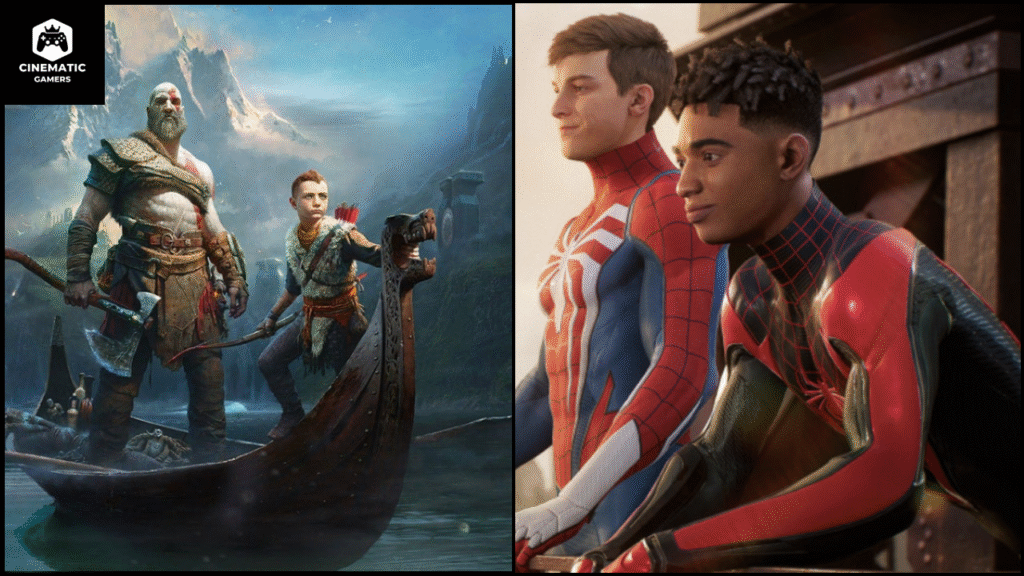
We have already seen this approach before. Titles like God of War and Ghost of Tsushima arrived on PC years after their original launch. By the time the PC version appeared, most dedicated fans had already played the game on PlayStation. Yet Sony still earned additional revenue by releasing the game again.
From the player’s perspective, this delayed strategy feels fair. Console owners get early access, while PC players eventually receive the game as well. Exclusives can be frustrating for many gamers. No one enjoys being locked out of a game because they do not own a specific console. Yet at the same time exclusives are also part of what gives platforms their character.
Nintendo provides a good example. Their entire ecosystem revolves around exclusive games. You buy a Nintendo console because you want to play their titles. Sony may be trying to reinforce the future of PlayStation exclusives in a similar way.
By keeping more titles inside the PlayStation ecosystem, Sony ensures that its console remains the primary place to experience its biggest games.
Development Challenges and Technical Risks
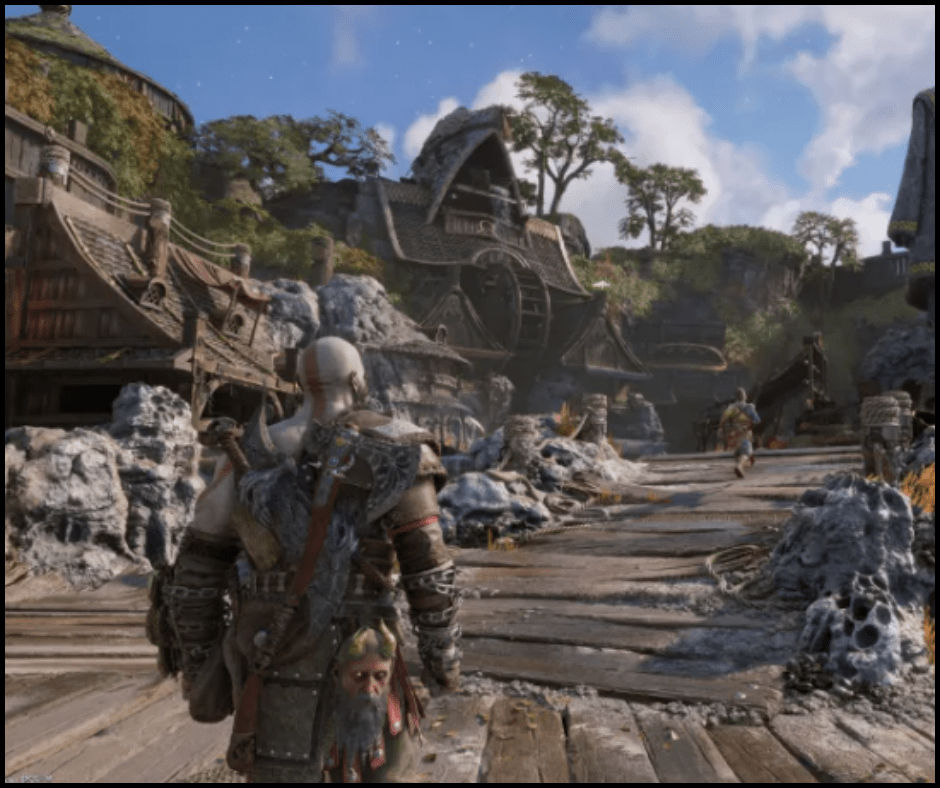
Another factor that rarely gets discussed by players is the complexity of porting games to PC. Creating PlayStation games on PC is not as simple as copying the game files from one platform to another.
Developers must optimize their games for a huge range of PC hardware combinations. Different graphics cards, drivers, processors, and operating systems can all create unexpected problems. From the player’s perspective, this sometimes becomes obvious when ports launch with technical issues. A poorly optimized version can quickly damage a game’s reputation.
For example, Spider-Man 2 faced criticism for its PC version due to performance and technical problems. Situations like this highlight the risks involved when turning console titles into PlayStation games on PC.
Sony may therefore be reconsidering how aggressively it pushes PC ports. Instead of spreading development resources across multiple platforms, the company might prefer focusing those resources on building stronger PlayStation exclusives and protecting the future of PlayStation exclusives.
The Piracy Question
Piracy is another issue that sometimes comes up when discussing PlayStation games on PC. Unlike console platforms, PC games are generally easier to crack and distribute illegally.
From a player’s perspective, however, piracy is probably not the main reason behind Sony’s decisions. Many of Sony’s PC releases have sold extremely well despite piracy risks.
This suggests that piracy is likely a smaller factor compared to strategic concerns such as protecting PlayStation exclusives and maintaining the future of PlayStation exclusives.
How will this affect players?
Ultimately, the entire debate about PlayStation games on PC comes down to how players experience games.
PC players understandably want access to Sony’s incredible library. The arrival of these games on PC allowed millions of players to experience franchises they had only heard about before. At the same time, many console players appreciate the power of PlayStation exclusives. These titles give the platform a sense of identity and make owning a PlayStation feel special.
If we talk from the player’s perspective, the ideal solution may lie somewhere in the middle. Completely abandoning PlayStation games on PC could alienate a huge audience. But releasing them too quickly might weaken the future of PlayStation exclusives.
Sony now faces a delicate balancing act between expanding its reach and protecting the ecosystem that made the PlayStation brand successful in the first place. Whether limiting PlayStation games on PC turns out to be a smart move or a costly mistake remains to be seen.