
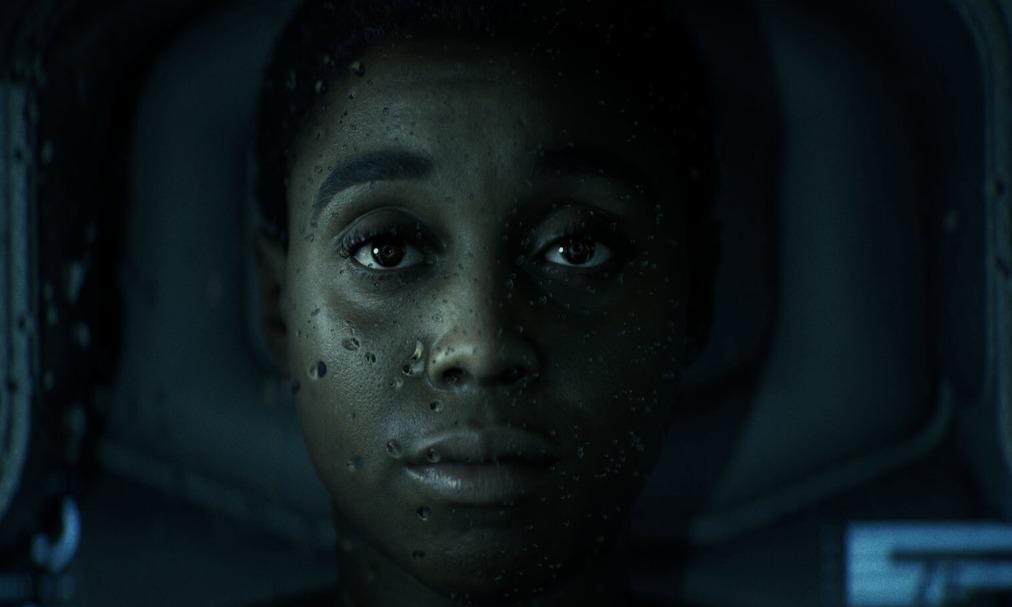
Directive 8020 is Supermassive Games’ latest sci-fi horror experience, featuring cinematic storytelling, tense atmosphere, impressive visuals, and choice-driven gameplay. Read on to know if it is worth your time and money!
Four years after The Dark Pictures Anthology: The Devil in Me, Supermassive Games finally returns with Directive 8020, released on May 12, 2026. Expectations were naturally high. The Dark Pictures Anthology has always been known for its cinematic horror storytelling, branching choices, and multiple endings. Considering that the studio is known for titles like Until Dawn and The Quarry, Directive 8020 promised something bigger. This time, Supermassive stepped into full sci-fi horror territory with heavy inspirations from classic sci-fi horror stories.
The premise alone was enough to excite fans of cinematic horror games. Humanity is dying, a spaceship crew is sent toward a distant planet, and an alien creature slowly turns the crew against each other. On paper, it sounds like one of the strongest concepts Supermassive has ever created. And for a while, Directive 8020 genuinely feels like it could become one of the studio’s best narrative horror games.
Read on to know if the game is worth your time.
Visuals And Atmosphere Are Excellent

One thing Supermassive Games almost always delivers is presentation, and Directive 8020 is no exception. The game looks fantastic. Character models are detailed, lighting is impressive, and the spaceship environments create a constant feeling of unease. Unreal Engine 5 clearly helped the studio push visuals to another level, especially during close-up scenes and tense horror moments.
The atmosphere is where the game shines the most. The dark corridors, blinking lights, strange noises, and paranoia-driven storytelling create genuine tension during several parts of the game. I did not find the game extremely terrifying to be honest, but it absolutely succeeds at making players uncomfortable. Even if you are not a horror fan, you will likely be fine playing through it because the horror relies more on suspense and psychological tension rather than nonstop jump scares.
Among recent cinematic horror games, Directive 8020 easily stands out visually. Some creature designs are disturbing in the best possible way, especially when the game leans into body horror. Supermassive clearly understood the aesthetic they wanted to create.
The Characters Feel Underdeveloped?
Unfortunately, the characters are one of the weaker aspects of the experience. Directive 8020 introduces several crew members very quickly, but instead of slowly building attachment, the game mostly throws them into the story immediately. Because of this, it becomes difficult to remember who is who, at least during the first half of the game.
Few characters do become interesting later, and performances from actors like Lashana Lynch help carry some emotional scenes, but overall, the cast lacks the emotional impact seen in previous Supermassive titles like Until Dawn or The Quarry. Most players will probably only care deeply about one or two characters by the end. To put it shortly, it is not a game that will stay with you for years, or even months.
The Story Starts Strong But…
The biggest strength of Directive 8020 is also its biggest frustration. The story has enormous potential. The opening episodes build mystery extremely well, and the paranoia surrounding the alien threat keeps the tension high. The game constantly makes you question who can be trusted, which fits perfectly within the themes of classic sci-fi horror.
However, the deeper the story goes, the more it starts feeling like a long Black Mirror episode rather than a truly unforgettable space horror masterpiece. There is a specific twist later in the game that changes the tone dramatically. Without spoiling anything, many players will probably understand where the ending is heading long before the final episode arrives.
That predictability hurts the emotional impact. Instead of escalating tension, the story slowly becomes depressing and emotionally distant. By the seventh episode, some players may even lose interest in the mystery because the game reveals too much too early. This is disappointing because the foundation for something incredible was clearly there.
Still, credit must be given where it is deserved. Directive 8020 does attempt ideas that feel fresh for cinematic horror games. Even when the execution is uneven, the game at least tries to bring something different to the genre.
How good is the gameplay in Directive 8020?
If there is one criticism repeated across both player reactions and professional reviews, it is the gameplay. Directive 8020 introduces stealth mechanics for the first time in a major way, but unfortunately, they become repetitive very quickly.
Most gameplay sections follow almost the exact same structure. You sneak around while an enemy searches for you, you find a power cell, activate a door, avoid detection, and repeat the process again and again, again and again. At first, these moments feel tense, but eventually they become frustrating rather than scary.
The enemies also follow predictable patterns, which removes a lot of suspense. Instead of dynamic survival horror gameplay, many sections feel like routine stealth puzzles. Reviews online compared these segments unfavorably to games like Alien Isolation but criticized the game as the AI lacks unpredictability.
This repetition seriously damages pacing during the second half of the game. The story slows down, gameplay loops repeat themselves, and the tension begins disappearing. For a game built around fear and paranoia, losing tension is a major issue.
Choices, Replayability, And The New Features
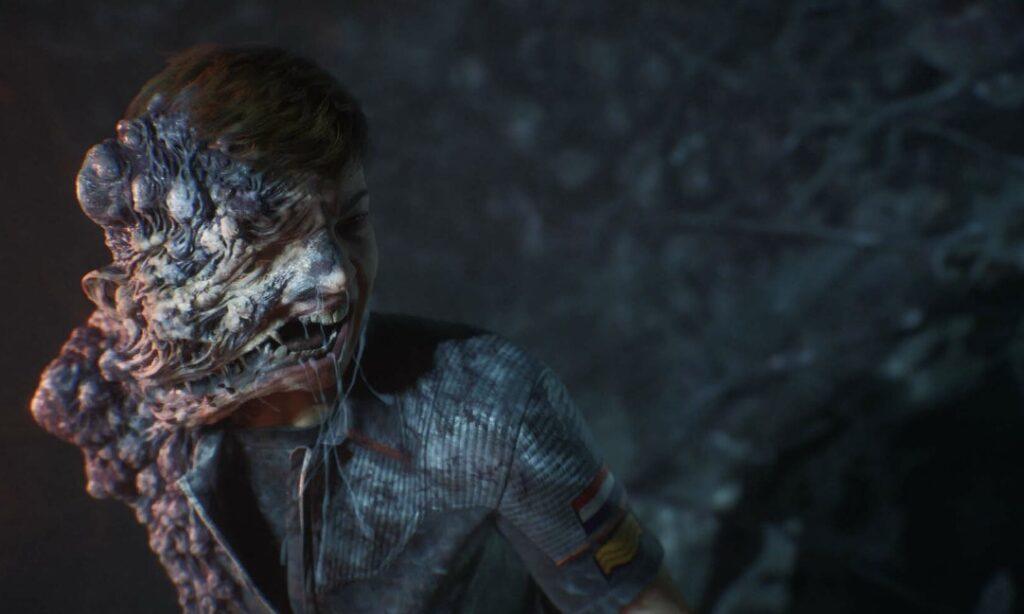
Like previous Dark Pictures titles, Directive 8020 includes branching narratives, multiple endings, and character deaths. The new Turning Points system allows players to rewind important decisions, which makes the game more accessible for newcomers to this franchise.
Some players will love this feature because it reduces frustration. Others may feel it weakens the tension because choices no longer feel permanent. Horror games often become more intense when mistakes cannot be undone, so the rewind mechanic has been met with mixed reactions. Personally, I think it does reduce replay value, but it is a useful mechanic, as it gives players a choice if they would like to replay the game entirely or just go back to the last Turning Point.
Replayability is still decent anyway thanks to alternate paths and different outcomes, but the repetitive gameplay may discourage multiple playthroughs for some players. Even so, the multiplayer modes remain fun with friends, especially when people argue about choices and character survival.
Is Directive 8020 Worth Playing?
So, is Directive 8020 worth playing? The answer honestly depends on what you expect from it. If you are looking for a terrifying survival horror masterpiece, you may walk away disappointed. The stealth gameplay becomes repetitive, the pacing loses momentum, and the story never fully reaches the heights its premise promised.
However, if you enjoy cinematic horror games and narrative horror games focused on atmosphere, choices, and sci-fi paranoia, and if you liked the earlier titles made by the studio, Directive 8020 is still worth experiencing at least once. The visuals are excellent, the atmosphere is strong, and the core concept remains genuinely fascinating.
Is Directive 8020 worth playing for casual horror fans? Probably yes. Is Directive 8020 worth playing for people expecting the next Alien Isolation or Dead Space? Probably not. In the end, Directive 8020 feels like a good game which had the potential to become an amazing one. The game is ambitious, interesting, and memorable in parts, but also frustrating because you can clearly see how much greater it could have been.
Rating: 6.5 out of 10
Check out seven other cinematic horror games you might enjoy playing.