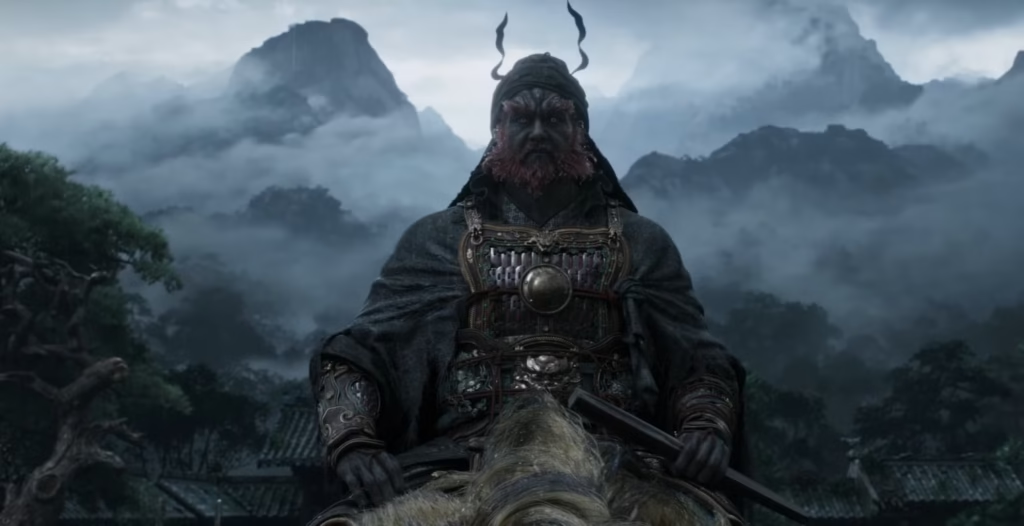
A detailed breakdown of the New Features in Fable Reboot and how they differ from the original Fable game.
When the original Fable released in 2004, it became iconic almost instantly. For many players, it was their first real exposure to a third-person fairy-tale RPG that mixed choice, morality, humor, and consequence in a way no other game did at the time. It was not just about combat or quests, but about who you became in the world of Albion. Your decisions shaped how people treated you, how you looked, and how your story would unfold. Since at the time, majority of games had linear storytelling, this is something that made Fable stand out. And it was the sense of being part of a living fairy tale that made the Fable game stand out as well, from other RPGs of its era.
Because of that legacy, expectations for the reboot are naturally high. But the Fable Reboot is not trying to recreate memories alone. It is aiming to modernize the core ideas that made the original special while rebuilding the experience for a new generation of open world RPG games. Latest updates on the Fable Reboot were officially revealed during the Xbox Developer Direct on January 22, 2026. So here we shall be discussing them.
The 2026 Fable reboot is being developed by Playground Games, the studio best known for the Forza Horizon series, and they’ve explicitly said they are not trying to remake what was made by Lionhead games but rather their own version of Fable. So, below, we discuss new features in Fable Reboot which show why this is more than nostalgia and why it is positioned as one of the most ambitious upcoming games of 2026.
Also check out Ten Best Upcoming RPG games coming out in 2025
1. A Fully Seamless Open World
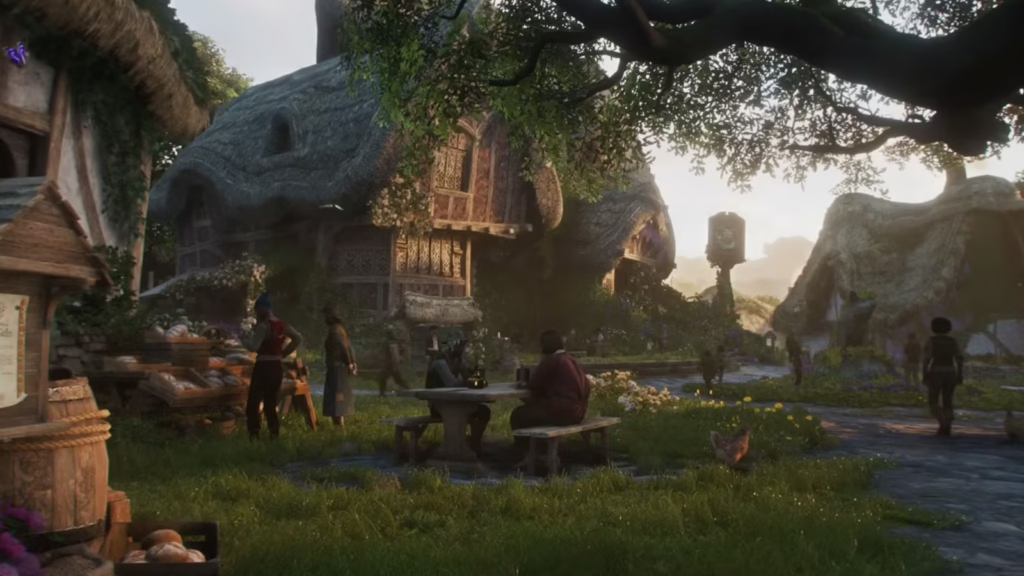
One of the biggest new features in Fable Reboot is the move to a fully seamless open world. The original Fable game used a semi-open structure with loading screens between regions, towns, and wilderness areas. While this felt expansive at the time, it was still clearly segmented, not strictly open-world.
The Fable Reboot removes those boundaries entirely. Albion is now a continuous world where you can travel freely without hard transitions. This change fundamentally alters exploration, immersion, and pacing. It also brings the Fable Remake in line with modern open world RPG games, where the sense of place depends on uninterrupted movement and discovery.
2. The Removal of the Binary Morality System
Another major change among the New Features in Fable Reboot is the complete removal of the classic good-and-evil morality meter. In the original game, your actions were tracked through a visible alignment system that gave you dramatic physical changes, including halos and horns.
The Fable Reboot replaces this with a reputation-driven system based on social perception and consequences. There are no meters, no visual morality indicators, and no simple labels. Instead, the world reacts to what you do and what people know about you. This shift makes moral choices feel more grounded and less fantasy-like, while still preserving the ethical weight that defined the Fable game. This move has been criticized by many fans of the original game, as though unrealistic, it takes away a core mechanic of the game.
3. Localized Reputation Instead of Global Alignment
Closely tied to the new morality design is another key addition among the New Features in Fable Reboot: localized reputation. In the original Fable game, your reputation was mostly worldwide. Once you were known as good or evil, that identity followed you everywhere.
In the reboot, things are different as your reputation is regional. Different towns and communities can view you differently based on your actions in and around their area. This adds depth to role-playing and reinforces the idea that Albion is not a single unified society. It also allows for more nuanced and immersive storytelling and makes choices feel more personal and situational. This tone of the Fable Reboot and its modern design philosophy might suit the style of most modern open world RPG games.
4. Massive Expansion of World Interactivity
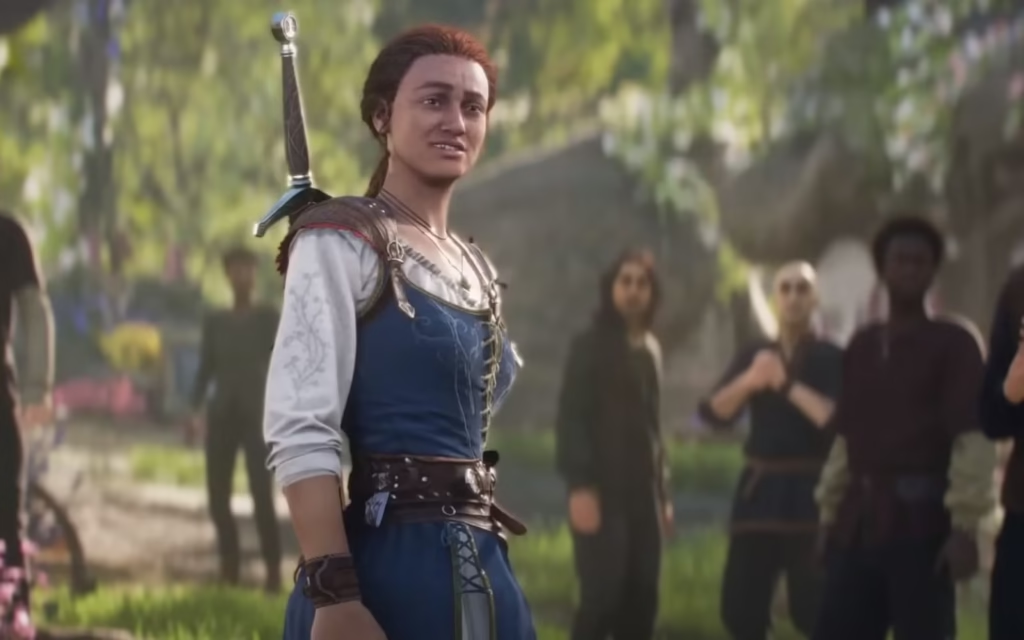
World interactivity is another area where the New Features in Fable Reboot go beyond simple upgrades. In the original Fable game, many buildings were decorative or inaccessible, limiting how deeply players could interact with towns.
The reboot dramatically expands this by allowing players to enter almost every building they see, and in many cases, own them. This transforms exploration, economy, and immersion. You can live in them as well. Towns feel less like backdrops and more like functioning spaces. This change also supports the Fable reboot’s goal of making Albion feel like a lived-in world rather than a mere stage for quests.
5. Removal of the Child-to-Hero Life Progression
One of the most surprising New Features in Fable Reboot is actually the removal of a classic system. The original Fable game began with the player as a child and followed their growth into adulthood, with aging and physical changes tied to in-game time.
The reboot removes this life-stage progression entirely. You begin as an already-formed character, and your identity is shaped through choices rather than biological aging. This marks a clear design shift and reflects modern RPG trends, where player agency is prioritized over scripted life arcs. This allows the Fable Remake to focus more on social and moral development rather than literal aging.
6. Playable Gender Choice from the Start
Playable gender choice is another important difference if you compare the new features in Fable Reboot directly to the original Fable game. The first game only allowed players to control a male hero.
The reboot allows full gender choice at character creation, bringing it in line with later entries in the series and modern open world RPG games. While this may feel standard today, it represents a meaningful expansion of player identity compared to the original. It also reinforces the reboot’s goal of inclusivity without changing the core tone of the Fable Reboot.
7. A Completely New Story and Protagonist
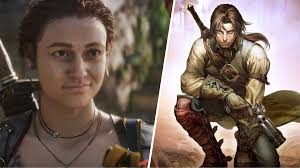
The final and most important of the new features in Fable Reboot is its all-new story. The reboot does not retell or remake the original narrative. Instead, it introduces a new protagonist, a new storyline, and a fresh interpretation of Albion.
This is what truly separates the Fable Reboot from being a simple remaster or nostalgia project. By resetting the story, it shows that it is not a simple Fable Remake, but a total Reboot of the franchise. The game avoids being constrained by the past while still honoring the spirit of the series. It allows both longtime fans and newcomers to experience the Fable game without prior knowledge, which makes it one of the more intriguing upcoming games of 2026.
Final Thoughts
Taken together, these New Features in Fable Reboot show a clear intent to rebuild the franchise rather than replicate. We know not all players are going to like all changes, but at least we are getting to revisit one of the best-known games many of us played in our childhood with modern tech and graphics.
If you loved reading this, make sure to read our list of the worst games of 2025.
You might also want to check out 7 Games like Fable with a good-and-evil morality system