The Doll Shop review: Let’s talk about this atmospheric 2026 indie horror game with beautiful hand-drawn art, haunting music, and an intriguing story. Is it worth playing?
Not every horror game needs to be a 20-hour adventure filled with elaborate puzzles, terrifying monsters, and unpredictable plot twists. Sometimes, a short story with a distinctive presentation and interesting story can leave a stronger impression than a much bigger production. The Doll Shop attempts to deliver exactly that, combining psychological horror, romance, and a unique visual style in an experience that takes less than two hours to complete.
Developed by Atelier Sentô, this narrative-driven adventure takes place in a remote Japanese village during an endless winter. While its story has some interesting ideas, the experience is considerably more successful in its presentation than in its storytelling.
A Short but Engaging Story
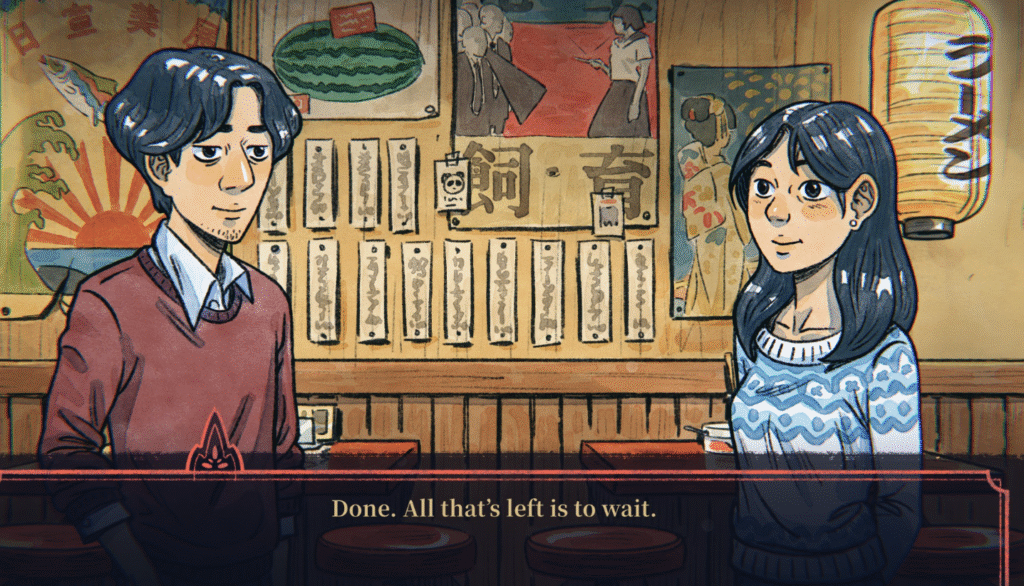
The narrative follows a solitary dollmaker whose quiet life becomes increasingly unsettling following the disappearance of a young girl and the return of his childhood friend after years. As the mystery unfolds, the story explores disturbing secrets, obsession, and the protagonist’s complicated relationship with his dolls.
In The Doll Shop, the premise immediately establishes an intriguing mystery, encouraging players to discover what is happening beneath the seemingly peaceful surface of the village. The writing maintains enough intrigue to keep you interested until the conclusion, and the relatively short runtime ensures that the experience doesn’t overstay its welcome.
However, there is a downside. If you are a horror fan familiar with the genre, there is a chance you might find some of the revelations predictable, particularly if you’ve played numerous psychological horror adventures or watched many movies of this genre before. Although the narrative has its unsettling moments, it doesn’t always deliver the surprises necessary to make its mystery genuinely memorable.
The story is engaging, but don’t expect a particularly complex plot filled with unexpected mind-blowing twists. Its relatively straightforward approach works reasonably well for a short adventure, even if some players might wish that it had greater narrative depth.
Atmosphere and Art Direction Are the Biggest Strengths
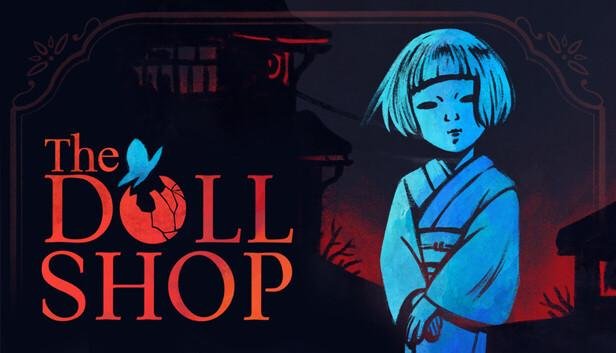
What makes The Doll Shop stand out is its distinctive presentation. Rather than relying on realistic graphics or the dark, oppressive visuals commonly associated with horror, Atelier Sentô uses hand-drawn illustrations and a colourful, watercolour-inspired art style.
The result is beautiful, distinctive, and occasionally unsettling. The contrast between the inviting visuals and the disturbing events unfolding throughout the story gives the experience much of its identity. More importantly, the game captures the feeling of a dying, isolated village during winter exceptionally well. The snow-covered surroundings, quiet streets, and sense of remoteness create an atmosphere of loneliness that complements the narrative.
The village feels disconnected from the outside world, and its winter setting reinforces the impression that something might be fundamentally wrong beneath the surface. This atmosphere isn’t simply decorative. It plays an important role in establishing the emotional tone of the experience.
For me, this is where the game truly succeeds. Its art direction gives it a personality that helps compensate for the predictability of its story.
The Music Is Equally Impressive
The soundtrack deserves just as much appreciation as the visuals. The music perfectly captures the mood, complementing the village’s isolation and the increasingly unsettling nature of the narrative.
The combination of the artwork, environments, and soundtrack creates a cohesive experience. These elements work particularly well together, making the game feel more memorable than its relatively simple storytelling might otherwise suggest.
Decent Gameplay, but Some Frustrating Limitations
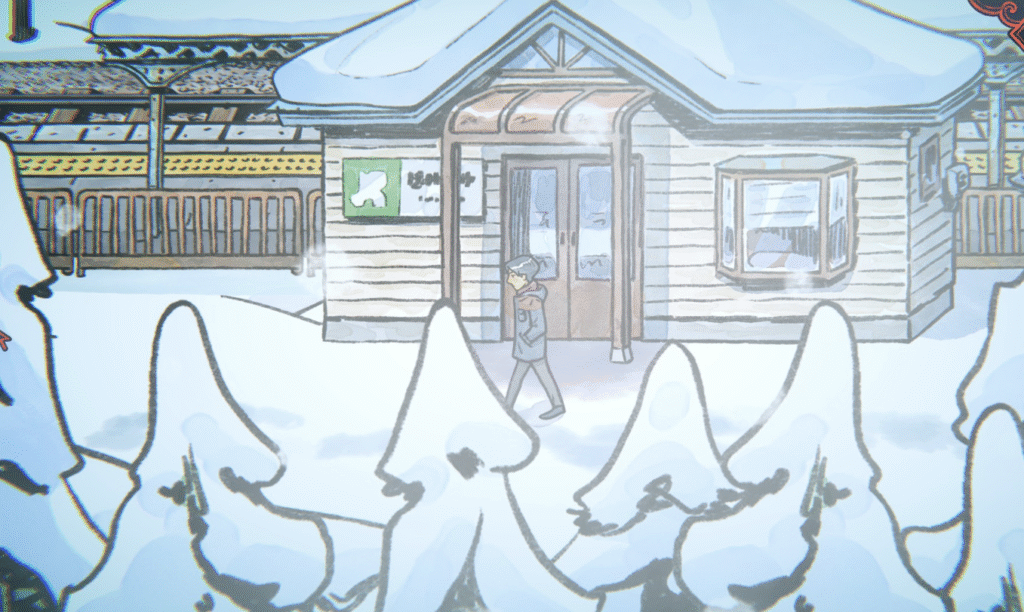
As a visual novel, The Doll Shop offers reasonably decent gameplay. Players can explore the village, interact with its inhabitants, make dialogue choices to influence the story, and participate in activities such as repairing rolls.
These mechanics provide some welcome variety beyond simply reading dialogue and progressing through the narrative. However, the gameplay remains mostly straightforward, and the experience is primarily driven by its story and presentation rather than elaborate mechanics.
One particularly frustrating limitation is the inability to save manually or revisit previous dialogue. For a game built around narrative choices, having these options would make experimenting with different decisions considerably more convenient.
The gameplay isn’t bad, but it could have benefited from a few quality-of-life improvements.
Multiple Endings and a Secret Conclusion
The game features three main endings, with a secret ending that becomes available after completing all three and fulfilling a few additional requirements.
This structure encourages replaying the adventure and exploring different possibilities. The additional content also provides another reason to return after completing the main story. However, unlocking the secret ending doesn’t necessarily answer every question. Even after exploring the available content, some aspects of the narrative remain insufficiently explained.
While the multiple endings offer some replay value, they don’t entirely resolve the storytelling shortcomings. Players expecting every mystery to receive a satisfying explanation might find the conclusion somewhat disappointing.
Verdict: A Decent Horror Experience, but Not for Everyone
Ultimately, The Doll Shop is a worthwhile experience for anyone who appreciates story-driven indie horror games, particularly those who value atmosphere and artistic presentation over complex gameplay.
Its short runtime makes it easy to complete in an evening, while the distinctive art direction and excellent soundtrack create an experience that feels different from many other narrative horror adventures.
However, the game has predictable moments, relatively simple gameplay, and occasionally unexplained story elements and this is what prevents it from reaching its full potential. The multiple endings add replay value, but they don’t completely address these shortcomings.
Among indie horror games, its greatest strength is its presentation rather than the complexity of its plot. If you enjoy indie horror games and don’t mind a short, and somewhat straightforward narrative, it’s worth considering.
Final Score: 7/10