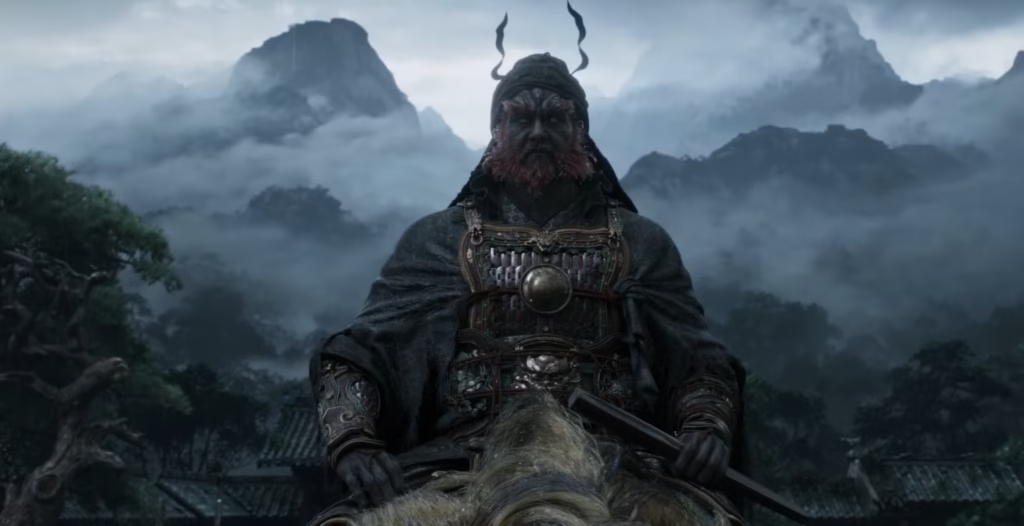
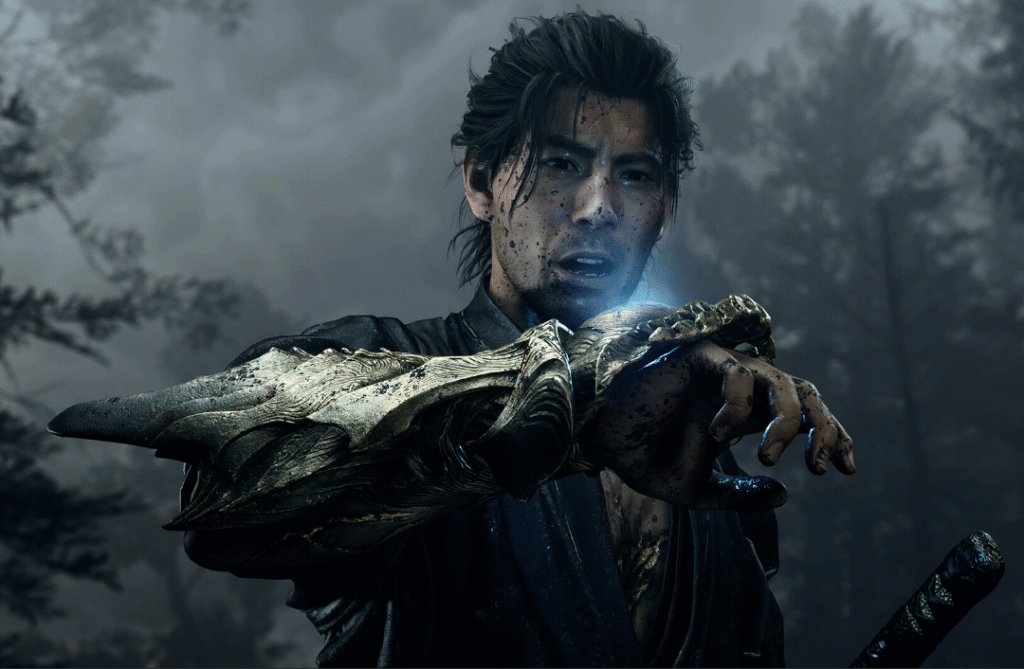
Discover the seven most important things we know about Onimusha: Way of the Sword, before you buy the game. Let’s discuss its gameplay, difficulty, length, and what critics are saying about Capcom’s highly anticipated samurai action adventure.
Capcom is finally bringing back one of its most beloved action franchises with Onimusha: Way of the Sword. After years of fan demand, the legendary samurai series is returning on 4th September 2026, with modern visuals, refined combat mechanics, and a fresh take on the formula that made the original games so memorable. Early reviews and hands-on impressions have provided plenty of details about what players can expect when they step into the role of Miyamoto Musashi.
While the full experience is for players to discover themselves, critics have highlighted several key aspects of the game. So, if you are planning to purchase the game, let us look at these Things We Know About Onimusha: Way of the Sword before diving into Capcom’s latest samurai adventure.
Combat Is the Biggest Strength
One of the most important Things We Know About Onimusha: Way of the Sword is that its combat system has received widespread praise. Reviewers consistently describe battles as satisfying, skill-based, and rewarding. The game encourages players to master timing rather than relying on button mashing, and this creates encounters that feel tense and engaging throughout the adventure.
The return of the iconic Issen counterattack mechanic has been particularly well received. Perfectly timed strikes can instantly turn the tide of battle, rewarding players who carefully study enemy movements. Parries, deflections, and counterattacks all play major roles, and this is what gives combat a level of depth that many critics consider one of the game’s greatest achievements.
Challenging But Not Frustrating
Among the many Things We Know About Onimusha: Way of the Sword, its approach to difficulty stands out as a major talking point. Before launch, many players wondered whether Capcom would fully embrace the Soulslike formula. According to reviews, the game might share similarities modern action titles but remains more accessible than some of the genre’s toughest titles.
Enemies can be dangerous, and bosses demand concentration, but reviewers describe the challenge as fair rather than punishing. Success comes from understanding the combat system, learning enemy patterns, and reacting appropriately during battle. This balance helps the game appeal to both longtime action fans and newcomers looking for a rewarding experience.
Boss Fights Are a Highlight
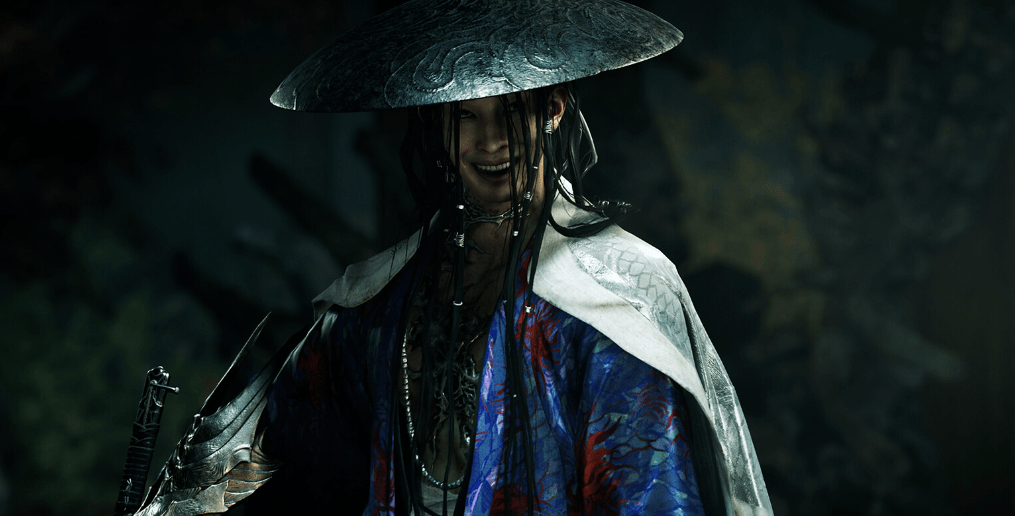
Another major entry on the list of Things We Know About Onimusha: Way of the Sword is the quality of its boss encounters. Critics repeatedly point to these battles as some of the best moments in the entire game.
Each boss reportedly introduces unique mechanics and attack patterns that require players to adapt their strategies. Rather than feeling like larger versions of standard enemies, bosses provide memorable tests of skill that make full use of the combat system. Combined with dramatic visuals and cinematic presentation, these encounters leave a lasting impression on you and often serve as the centerpiece of the adventure.
Expect Around 20-30 Hours of Content
Players curious about campaign length might be pleased with another one of the major Things We Know About Onimusha: Way of the Sword. Reviews suggest that the main story takes approximately 20 hours to complete, while players who engage with side activities and optional content can expect closer to 25–30 hours.
This puts the game in a comfortable middle ground between shorter action titles and massive open-world experiences. So if you don’t have to time to immerse yourself in a 60–100-hour adventure, this might be good news for you.
Exploration Is More Divisive
Not every aspect of the game has earned universal praise. One of the more controversial Things We Know About Onimusha: Way of the Sword involves its exploration systems.
The game introduces larger environments and optional activities that encourage players to move beyond the main story path. Some critics appreciate the additional freedom and opportunities for world-building, while others feel that exploration occasionally disrupts the pacing that was established already by the excellent combat encounters.
As a result, exploration remains one of the few elements that has divided reviewers. However, it all comes down to individual preferences.
Capcom Has Delivered a Cinematic Experience
One of the most frequently discussed Things We Know About Onimusha: Way of the Sword is its impressive presentation. Built using Capcom’s RE Engine, the game features detailed environments, high-quality character models, and visually striking cutscenes.
Many reviewers compare the experience to classic samurai cinema. Dramatic camera angles, expressive facial animations, and atmospheric environments help create a world that feels both authentic and fantastical. The game’s version of Miyamoto Musashi has also received praise for his personality and presence, helping carry the game’s narrative from beginning to end.
Enemy Variety Has Drawn Criticism
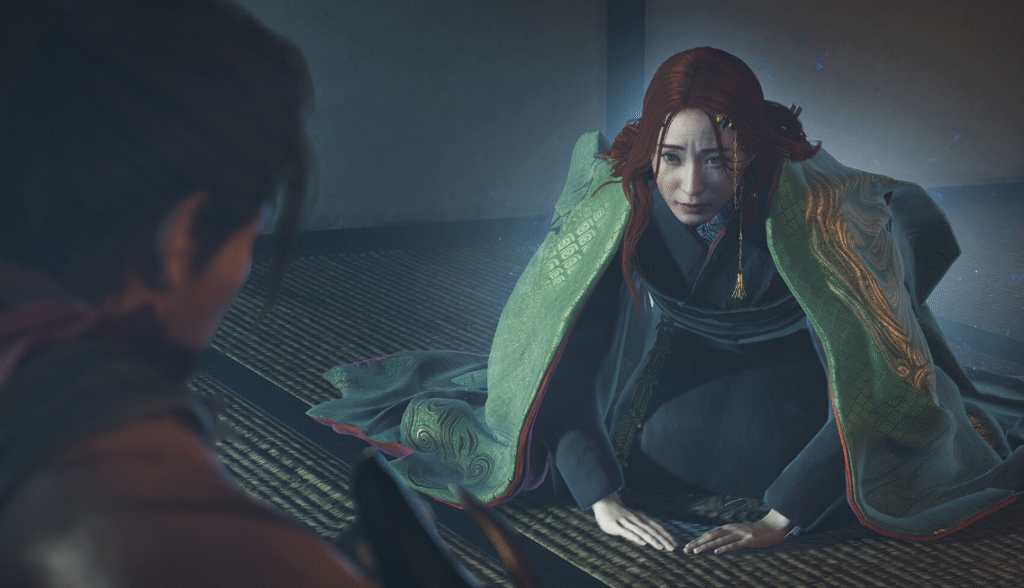
The final yet important one on the list of Things We Know About Onimusha: Way of the Sword concerns enemy variety. While reviewers consistently praise the combat mechanics, many feel that regular enemy encounters become somewhat repetitive over time.
Bosses continue introducing fresh challenges throughout the campaign, but standard enemies reportedly appear too frequently and can start feeling familiar during the later stages of the game. Fortunately, critics generally agree that the strength of the combat system helps compensate for this issue. This you can be ensured that battles remain entertaining despite the repetition.
Check out seven important things to know about The Blood of Dawnwalker, if you are considering to play it.