
As rumors are rising about another Hitman game, here we compare Hitman Blood Money VS World of Assassination. We explore 7 classic mechanics or darker tones the modern trilogy left behind.
The modern World of Assassination trilogy is easily the most refined Hitman experience ever made. Its large sandbox maps, layered AI routines, numerous interesting disguises, and razor-sharp level design make every mission feel like a clockwork playground. From Paris to Dubai, the trilogy rewards creativity, patience, and experimentation in ways the series never fully achieved before. Yet in this Hitman Blood Money vs World of Assassination debate, we shall be discussing something interesting. Despite being two decades older, Hitman Blood Money still stands tall in certain areas. It was rougher. Darker. Meaner. And in some ways, deeper.
You can read our review of Hitman World of Assassination here.
1. A Darker Tone and Flashback Mystery
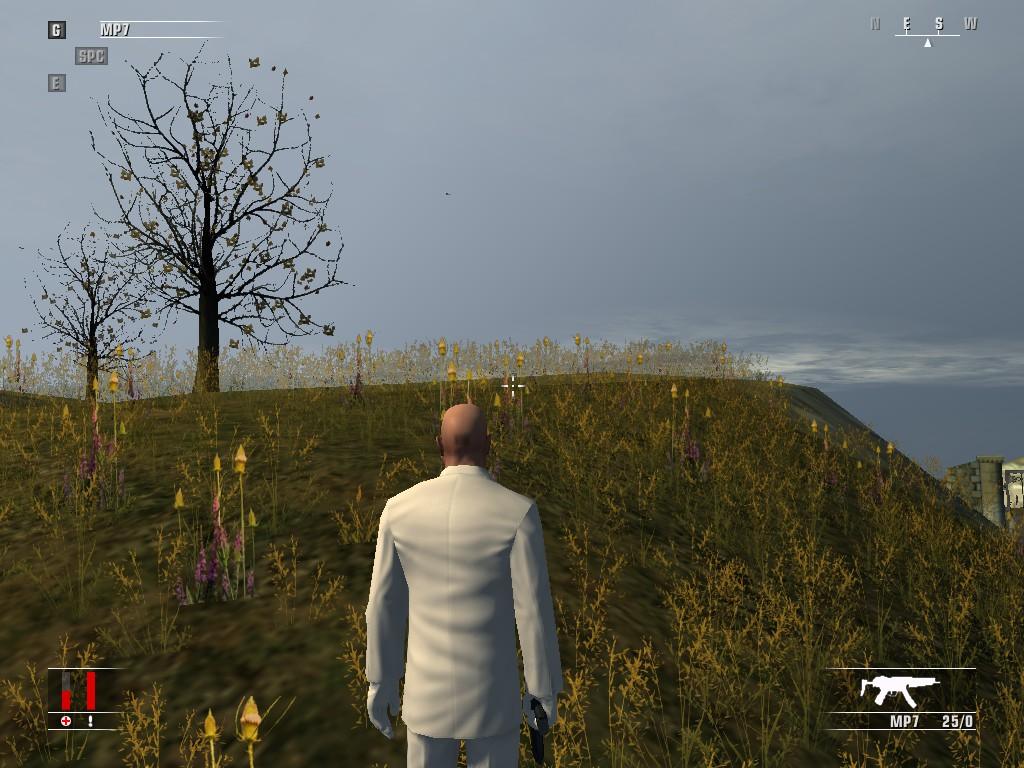
World of Assassination has a more international feel, no doubt. It is stylish, political, and polished. Blood Money, however, unfolds through flashbacks during Agent 47’s own funeral. That framing device instantly adds myth and finality. You are not just completing contracts. You are reliving the legend of a man already presumed dead.
The trilogy modernizes 47 into a precise professional navigating an international conspiracy. Blood Money presents him as a ghost drifting through morally rotten America. The atmosphere feels heavier. Colder. Less glamorous.
In a straight Hitman Blood Money vs World of Assassination comparison, the newer trilogy is more cinematic. But Blood Money feels more mysterious. Even in this day and age.
2. The Notoriety and Newspaper System
When discussing Hitman Blood Money mechanics removed in Hitman trilogy, the notoriety system is the clearest example.
In Blood Money, sloppy and reckless play had consequences. Witnesses could identify you. Newspapers reported your brutality. You had to spend money to reduce heat. Otherwise the world reacted to your mistakes in the upcoming missions.
World of Assassination resets everything after each mission. You can fail spectacularly and simply restart with no lasting impact.
In the broader Hitman Blood Money vs World of Assassination debate, this difference matters. Blood Money created long-term tension. You felt like part of an underworld rather than playing through a disconnected mission hub.
3. Sound Design That Felt Sinister
The soundtrack in Blood Money leaned heavily into religious and choral themes. Latin choirs and haunting orchestration made assassinations feel almost sacrilegious.
World of Assassination uses clean, cinematic scoring that fits its global espionage tone. It works brilliantly. But Blood Money’s music felt oppressive. Intimidating. Dark. Mysterious.
In a Hitman Blood Money vs World of Assassination analysis, the newer trilogy wins on production value. Blood Money wins on atmosphere.
4. Accidents Felt More Organic
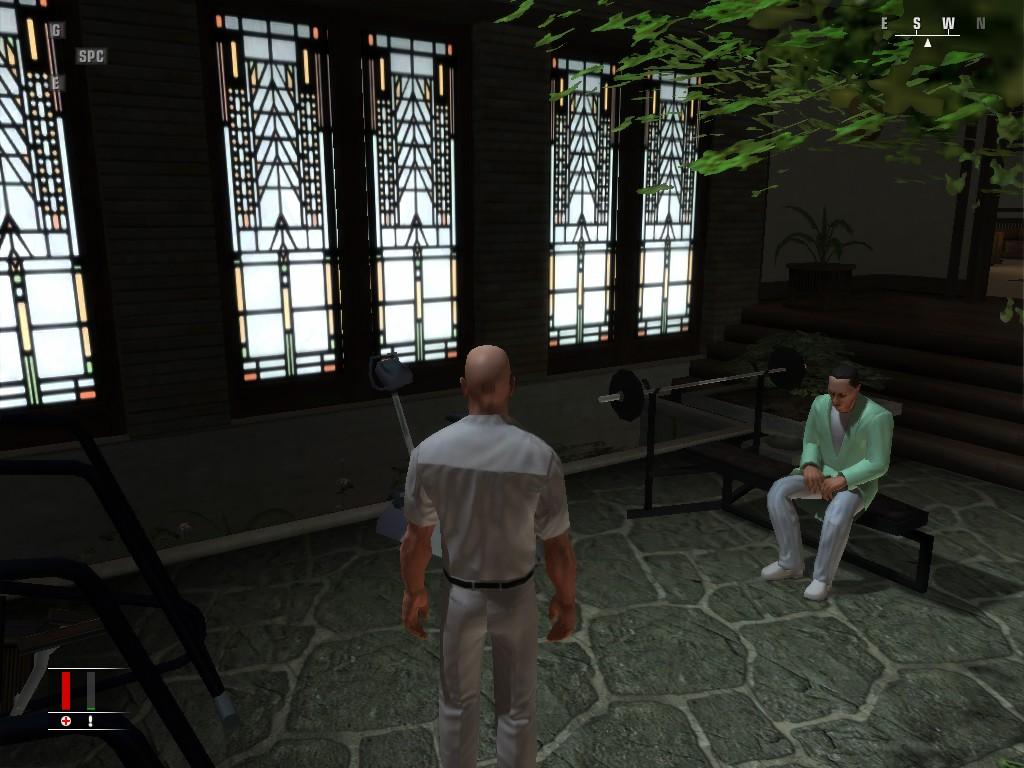
Blood Money felt looser. Accidents were discovered through experimentation rather than mission story prompts. It felt scrappier and less choreographed.
In this Hitman Blood Money vs World of Assassination comparison, we can say that the WOA trilogy offers depth and clarity. Blood Money offers improvisation and surprise.
5. The Hostage Mechanic
One of the most discussed Hitman Blood Money mechanics removed is the ability to take hostages.
The Hitman Blood Money hostage feature allowed you to grab civilians or guards as human shields. It created panic. It introduced chaos when plans collapsed.
World of Assassination removed this entirely, favoring tighter stealth systems and more predictable AI behavior.
The Hitman Blood Money hostage feature added tension and desperation. In the modern trilogy, encounters feel more controlled. Cleaner. Less volatile.
In any serious Hitman Blood Money vs World of Assassination debate, this is a defining difference between the two games. And many players still feel that this mechanic should not have been removed!
6. Functional Elevators and Vertical Realism
Elevators sound minor, but it does change immersion.
Blood Money featured working elevators that allowed realistic vertical traversal. Buildings felt like actual spaces with functional infrastructure. In fact, even the first Hitman game Hitman Codename 47, which is very outdated by today’s standards, has an elevator system.
World of Assassination relies heavily on staircases, pipes and ladders. Despite its technical superiority, fully usable elevator systems are strangely absent.
We are still wondering why!
Honorable Mention: You did not need to be always online in Hitman Blood Money to get the full experience of the game! In Hitman WOA, despite buying the game at full price, you had to stay always online. You could play the game offline, but in offline version, you can’t track your score. You can’t access upgrades! For a single player game, it hardly made sense and was quite annoying!
7. The Cash Economy and Upgrade System
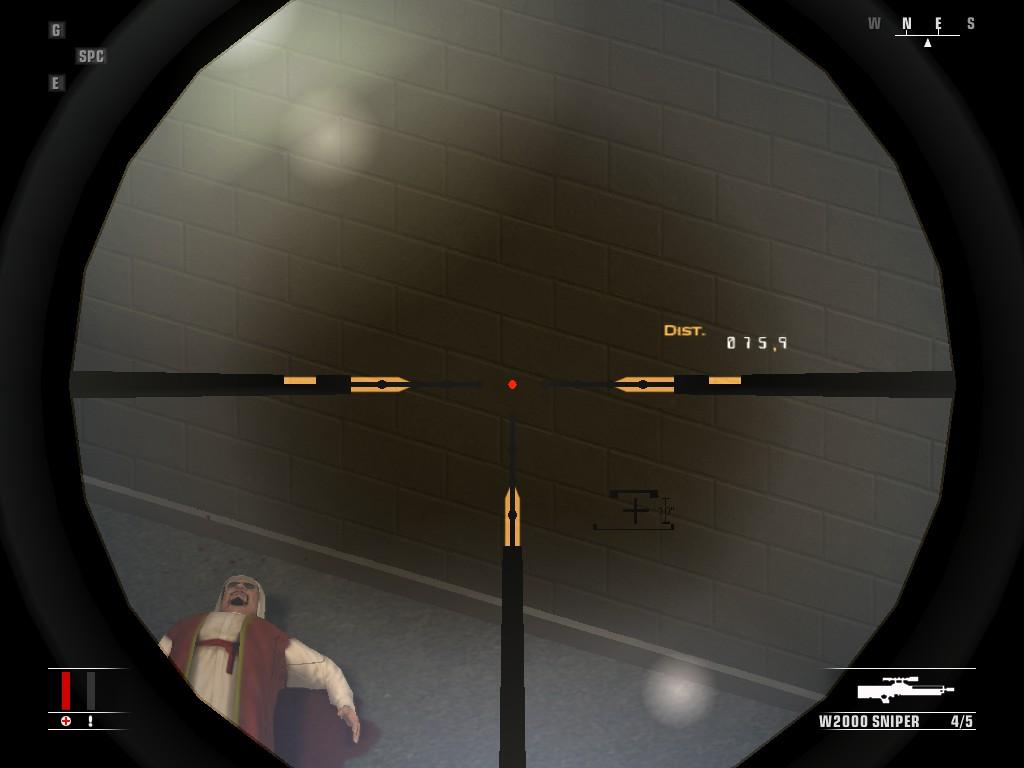
Perhaps the strongest argument in Hitman Blood Money vs World of Assassination lies in how the games treat progression.
The Hitman Blood Money upgrade system tied money directly to performance. Clean hits earned higher payouts. Sloppy work reduced income. You could spend your cash not just on weapon upgrades but also on reducing notoriety.
The Hitman Blood Money upgrade system felt transactional and realistic. It felt as if you were actually running a profession.
World of Assassination uses mastery levels to unlock gear. It is structured and balanced, but it feels more “video-game” like.
In the larger Hitman Blood Money vs World of Assassination discussion, Blood Money’s economy created personal investment. The trilogy provides polish and replayability. Blood Money provided ownership.
If they are making another Hitman game, they should definitely incorporate the best elements of Blood Money combined with the latest Hitman trilogy!
Check out our list of all Hitman games ranked.
You might also want to check our review of 007 First Light.
If you love FMV games, check our list of 10 best FMV games you can play in 2026.