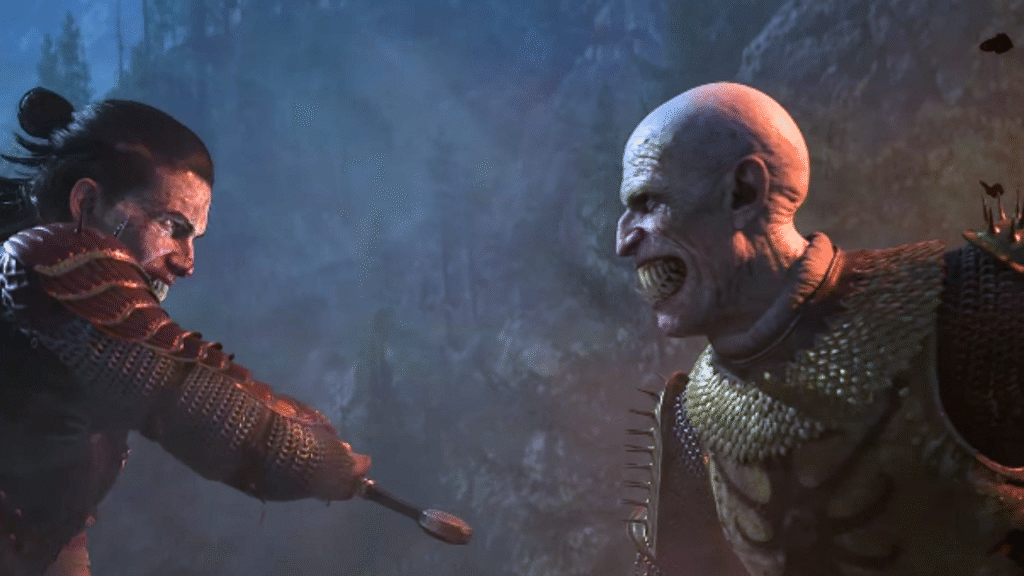
Before you buy, check out the seven most important things we know about The Blood of Dawnwalker , including the most important details you need to know about its unique RPG systems, choices, and world.
Ever since its reveal, The Blood of Dawnwalker has attracted attention for more than just its vampire dark fantasy setting. The game is being developed by Rebel Wolves, a studio founded by former CD Projekt Red veterans, including Konrad Tomaszkiewicz, the game director of The Witcher 3: Wild Hunt. Because of the talent behind the project, many RPG fans immediately put it on their watchlist.
However, The Blood of Dawnwalker. which releases on 3rd September, 2026, is not simply trying to become “The Witcher 4 before The Witcher 4.” Instead, Rebel Wolves is building a very different kind of role-playing game centered around player freedom, consequences, and a unique time-pressure system. As more details emerge, it is becoming clear that this may be one of the most ambitious RPGs in years.
Here are the seven most important things we know about Blood of the Dawnwalker so far. Before you buy, make sure you read these points.
1. The 30-Day Time Limit Is Not a Real-Time Countdown
One of the biggest misconceptions players might have surrounding the game is its 30-day time limit. Many players initially assumed that The Blood of Dawnwalker would constantly rush them forward with a ticking clock. But that is not how the system works.
In The Blood of Dawnwalker, time functions more like a resource than a countdown. Players have 30 days and 30 nights to save Coen’s family, but the clock only advances when you perform major story actions, complete important quests, or make significant decisions. Simply exploring the world, talking to people, or wandering through the wilderness does not consume time. The developers have described it as spending time rather than losing time.
2. Time running out Does Not Mean Game Over
One of the most interesting things we know about The Blood of Dawnwalker is that running out of time does not automatically end your adventure.
If Coen fails to save his family before the deadline expires, the story continues. It has been confirmed that there are consequences, but players are not greeted with a traditional “Game Over” screen. Instead, the narrative adapts to the outcome of your actions, and the rescue mission becomes a revenge mission.
3. It Uses a Narrative Sandbox Instead of a Traditional Main Quest
Another major feature that separates the game from most modern RPGs is what the developers call a “narrative sandbox.”
Unlike traditional RPGs that constantly direct players toward the next objective, The Blood of Dawnwalker gives players a goal and allows them to decide how they want to achieve it. Quests can be completed in different orders, ignored entirely, or never discovered at all. Even inaction can have consequences, with the world reacting to decisions you make and opportunities you choose to ignore.
This design philosophy means the game focuses on player agency rather than following a rigid quest checklist.
4. You Can Challenge the Main Villain Very Early
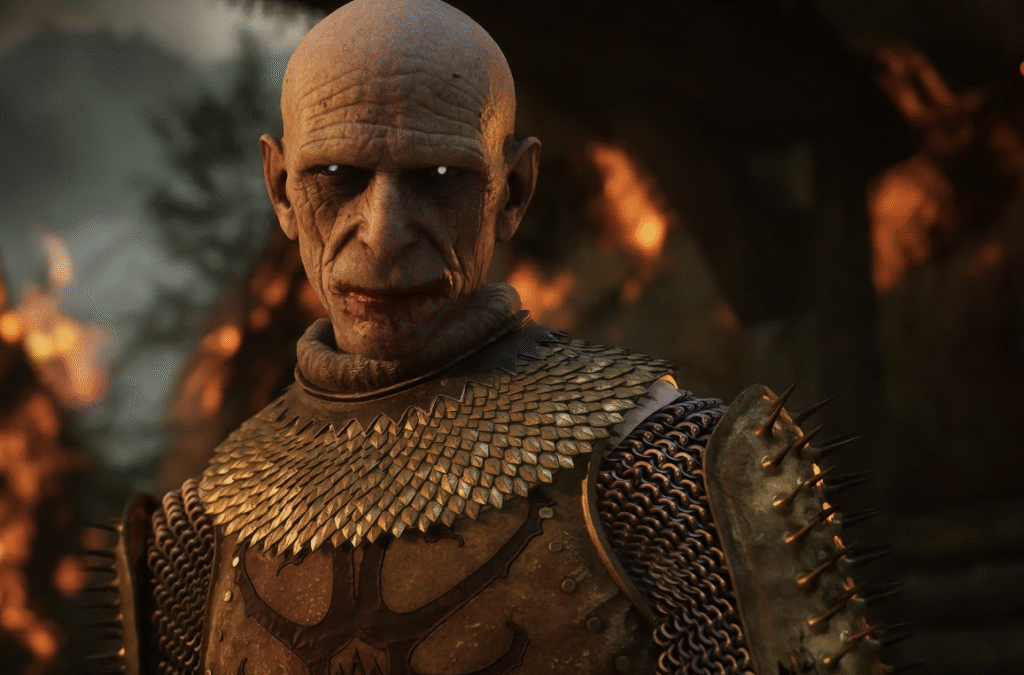
Perhaps among the most surprising things we know about The Blood of Dawnwalker is that the game does not lock the final confrontation behind dozens of hours of story progression.
Once players have completed the opening portion of the game, they are free to pursue Brencis, the vampire lord who kidnapped Coen’s family. In theory, you can attempt to challenge him much earlier than most RPGs would allow; though winning the fight will obviously be next to impossible. Regardless, this level of freedom is extremely rare in modern open-world games. This is definitely among the most interesting things we know about The Blood of Dawnwalker, and also something that makes the game different.
5. The Entire Game Is About Preparing for That Showdown
While you can challenge Brencis early, as we discussed, doing so is unlikely to end well.
This is where the game’s structure becomes fascinating. Rather than forcing players through a linear campaign, The Blood of Dawnwalker allows them to decide how they want to prepare for the inevitable confrontation. You might spend your limited time gathering allies, uncovering secrets, weakening Brencis’ influence, sabotaging his operations, improving your abilities, etc.
Every quest, side activity, and decision can potentially become part of your strategy. Instead of being told exactly what to do, players are encouraged to build their own path toward victory. This freedom is one of the most unique aspects of The Blood of Dawnwalker and could make every playthrough feel dramatically different.
6. The Day and Night Cycle and Vampire System Changes Gameplay
The day-night cycle is not just a visual feature. Coen is a Dawnwalker, a being caught between humanity and vampirism. During the day, he relies more on traditional combat methods. At night, he gains access to powerful vampiric abilities and different gameplay options.
Rebel Wolves has suggested that the two periods can feel almost like different gameplay experiences. Certain opportunities may be easier to tackle during the day, while others become easier at night.
The Vampire System includes a moral dimension as well. Coen’s vampiric powers come with a cost. Feeding on humans makes him stronger, but players must decide how far they are willing to go to achieve their goals. The system is designed to force difficult choices rather than simply treating vampirism as a set of superpowers.
7. You Cannot Experience Everything in One Playthrough
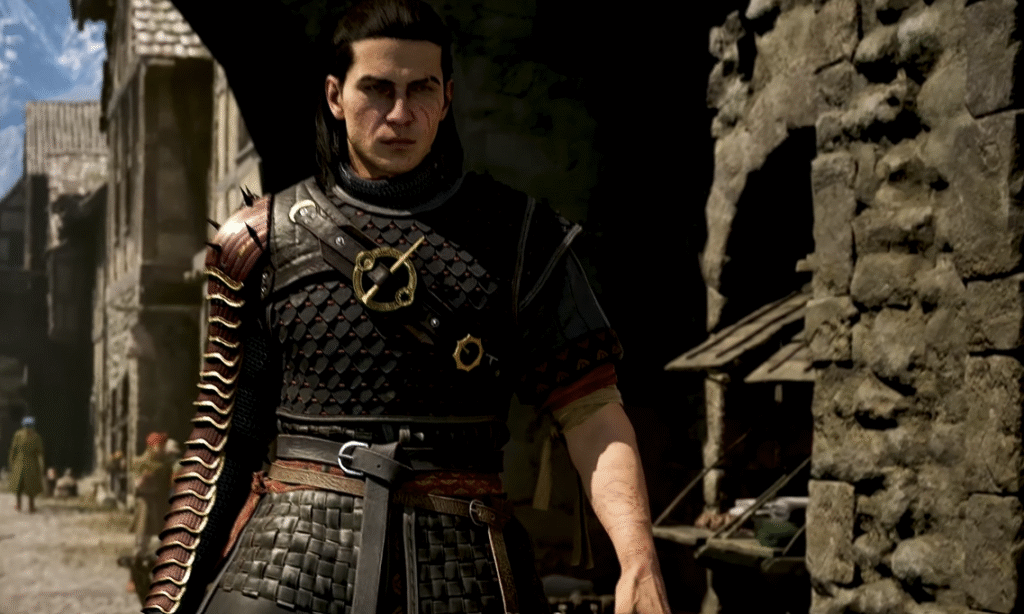
Another one of the defining features and important things we know about The Blood of Dawnwalker is that completing the game is not the goal.
The developers have openly stated that there is more content than players can realistically experience within a single run. Since time is limited, every major decision carries an opportunity cost. Helping one character may mean ignoring another. Pursuing one storyline may prevent you from exploring a different path.
Rather than seeing this as a limitation, Rebel Wolves views it as a way to make choices meaningful and encourage replayability.
So, if you loved The Witcher 3, then this game might definitely be worth your time, especially if you love immersing yourself in RPGs with big open worlds.