Batman: The Telltale Series in 2026 still remains one of the most immersive superhero stories ever made. The series is known for blending Bruce Wayne’s personal struggles with intense Batman action and detective capabilities.
When most people think about great Batman games, the Arkham franchise immediately come to mind because of its combat, stealth mechanics, story, and giant open environments. However, Batman: The Telltale Series (which consists of two parts) in 2026 still feels refreshingly different because it allows you to step into the shoes of Bruce Wayne and face his day-to-day struggle both as the owner of Wayne Enterprise and also as Batman.
What makes the games unique is that it focuses almost entirely on storytelling, psychology, and relationships rather than traditional gameplay systems. Instead of making players feel like an unstoppable superhero, the games feel more grounded as it constantly reminds you that Bruce Wayne is also just a human being trying to survive the pressure of protecting Gotham.
That approach is exactly why the game became so beloved among narrative game fans. Similar to acclaimed Telltale games like The Wolf Among Us and The Walking Dead, the story constantly creates suspense through dialogue, choices, emotional tension, betrayals etc. The games rarely let players relax because it always feels like something disastrous could happen at any moment, and this is the number one reason why neither the games don’t bore you from start to finish.
Are you considering playing Batman: The Telltale Series in 2026? If yes, read more to know if it still stands out!
More Focus on Bruce Wayne Than Any Batman Games
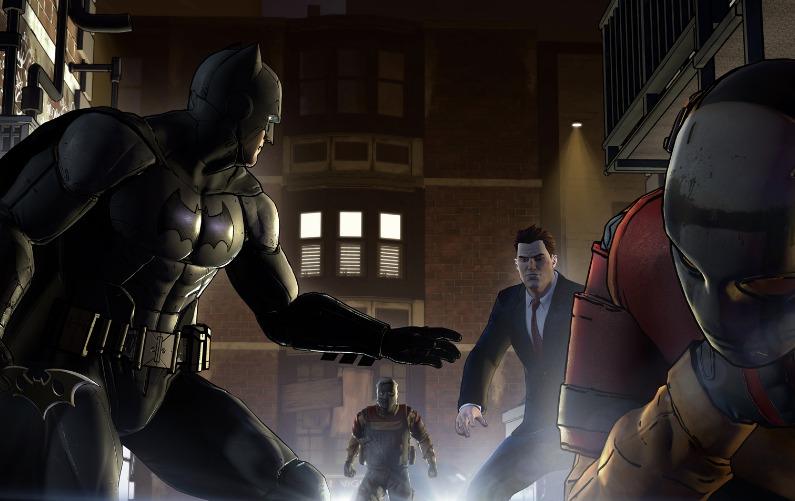
One of the most praised aspects of Batman: The Telltale Series in 2026 is how deeply it explores Bruce Wayne’s personal life. Unlike many Batman games where Bruce mostly exists between action scenes, Telltale makes both identities equally important.
Players are constantly forced to juggle Wayne Enterprises politics, personal relationships, media scandals, public appearances, along with Batman’s investigation. This dual-life structure creates a much more grounded and immersive experience. Bruce Wayne does not simply feel like Batman without the suit. He feels like an exhausted man trying to stop every aspect of his life from collapsing. This is what makes us care for this version of Batman even more.
Critics and players, over the years, praised how the game humanizes Bruce emotionally. He feels vulnerable, conflicted, emotionally damaged, and psychologically exhausted throughout much of the story. That emotional vulnerability is something many other Batman games or movies rarely explore deeply.
Telltale Games Reinvent Several Iconic Batman Characters
If you have played the game, the first moment you felt shocked was probably when you saw Cobblepot aka Penguin for the first time! Because here he is tall and even kind of good looking! Well, this is another reason Batman: The Telltale Series became so memorable is because it avoids simply repeating classic Batman lore. Instead, Telltale games take creative risks by reimagining familiar characters in morally complicated ways.
Thomas Wayne is perhaps the biggest example. Instead of portraying Bruce’s father as a flawless philanthropic saint, the game introduces a much darker interpretation of Gotham’s elite families. This twist completely changes Bruce Wayne’s emotional journey because he begins questioning whether his family helped create Gotham’s corruption in the first place, the very thing he has been fighting for years.
Vicki Vale is also transformed into something dark and one of the most emotionally tragic characters we have seen. (No spoilers) And even if we compare Riddler to his comic counterpart, he not just seems older, but also much more cruel and sadistic.
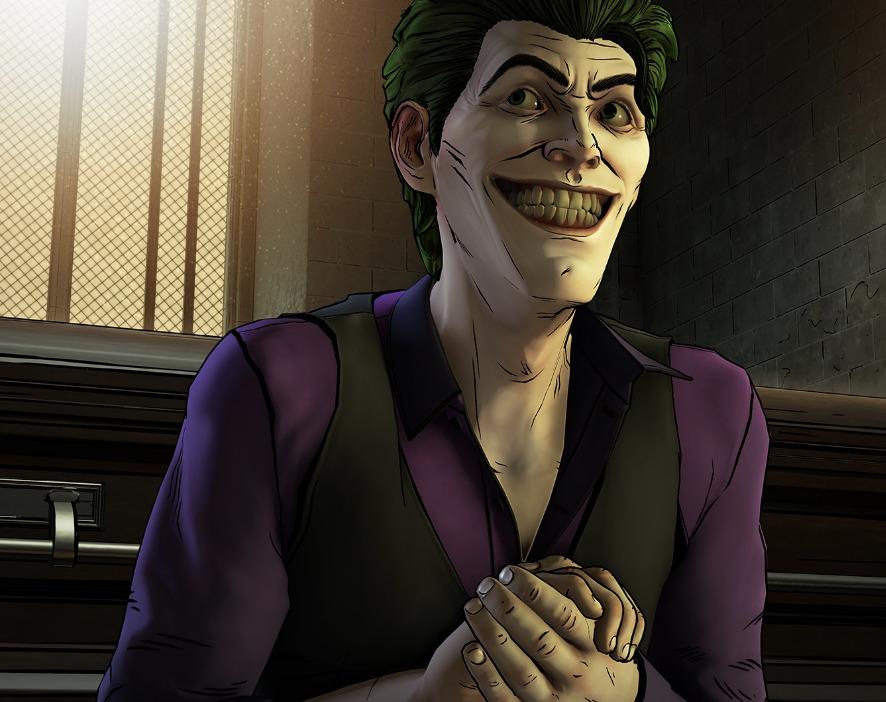
However, the most fascinating reinterpretation is undoubtedly Joker in Batman: The Enemy Within, the second part of Batman:The Telltale Series. Unlike traditional Batman stories where Joker already exists as a fully formed monster, here you get to meet Joker as a young and partially naive man. Telltale explores the idea that Bruce Wayne can heavily influence what the Joker eventually becomes and stands for.
This version of John Doe is awkward, emotionally unstable, desperate for validation, and strangely sympathetic at times. Depending on player choices, the relationship between Bruce Wayne and Joker can become emotional or tragic and deeply uncomfortable. This is something I loved and so will most players, as it shows us a different side to joker. Maybe, if the world was not so harsh with him, he could have had a way different life.
In the games, if you treat him properly like a friend, and don’t manipulate him, Joker can become a vigilante rather than a fully chaotic villain. This stands out because it transforms Joker into something far more psychologically tragic than regular portrayals. Instead of feeling like a simple superhero conflict, the story starts feeling like the collapse of a deeply unhealthy friendship. You will even ask yourself who is to blame for Joker’s eventual collapse into madness: Is it his own unstable mind, or is it Batman’s obsession with his own code?
Many reviewers compared the emotional writing between Bruce and John Doe to some of the strongest relationship-focused storytelling Telltale games had ever produced.
Gameplay and Choice System
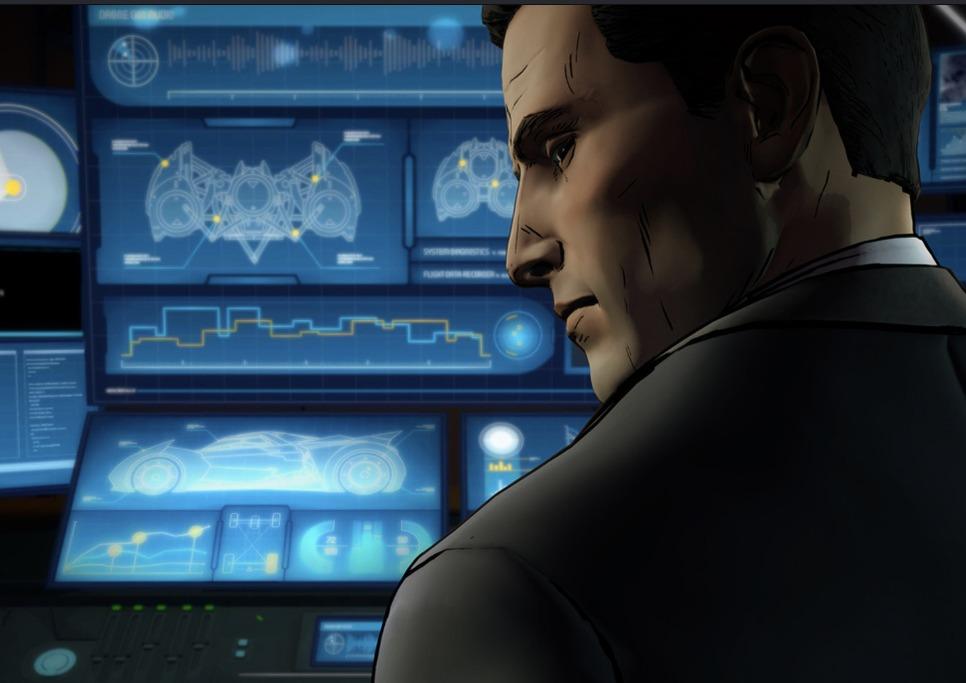
Batman: The Telltale Series focuses primarily on conversations, dialogue choices, quick-time events and investigations rather than traditional action-oriented gameplay. For players expecting Arkham-style combat depth, the gameplay may feel simplistic, but for those who are in it for the story, the game works well because it keeps the pacing cinematic and keeps you emotionally engaged.
The investigation scenes are particularly enjoyable because they make players feel like actual detectives connecting clues and reconstructing crime scenes. However, the choice system is not perfect. Many decisions, especially in the first game affect relationships and dialogue, but several major story beats still happen regardless of what players choose.
Visuals, Art Style and Soundtrack
Visually, Batman: The Telltale Series still holds up surprisingly well in 2026 because of its comic-book-inspired art direction. And at times it does feel like watching an animated Batman movie. Gotham constantly feels dark and corrupt, rather than lively, which fits well with the tone of the story.
The soundtrack and voice acting are consistently strong throughout both seasons. Troy Baker delivers one of the best performances as Bruce Wayne and Batman, while Anthony Ingruber’s performance as John Doe constantly shifts between awkward charm and emotional instability in a genuinely unsettling way.
Batman: The Telltale Series in 2026 Still Has Major Problems
Despite how strong the writing is overall, the game definitely suffers from several logical inconsistencies and pacing issues.
The biggest criticism involves a scene in the first part involving Bruce and Wayne Enterprises. Bruce Wayne is portrayed as one of Gotham’s richest and most powerful men, whose father literally “controlled the city”. Yet the way he was removed from his position at Wayne Enterprises was kind of unrealistic. Oswald Cobblepot replacing Bruce so easily feels even more unrealistic, especially considering Bruce is not simply an employee CEO but essentially the symbolic owner and heir of Gotham’s most powerful family.
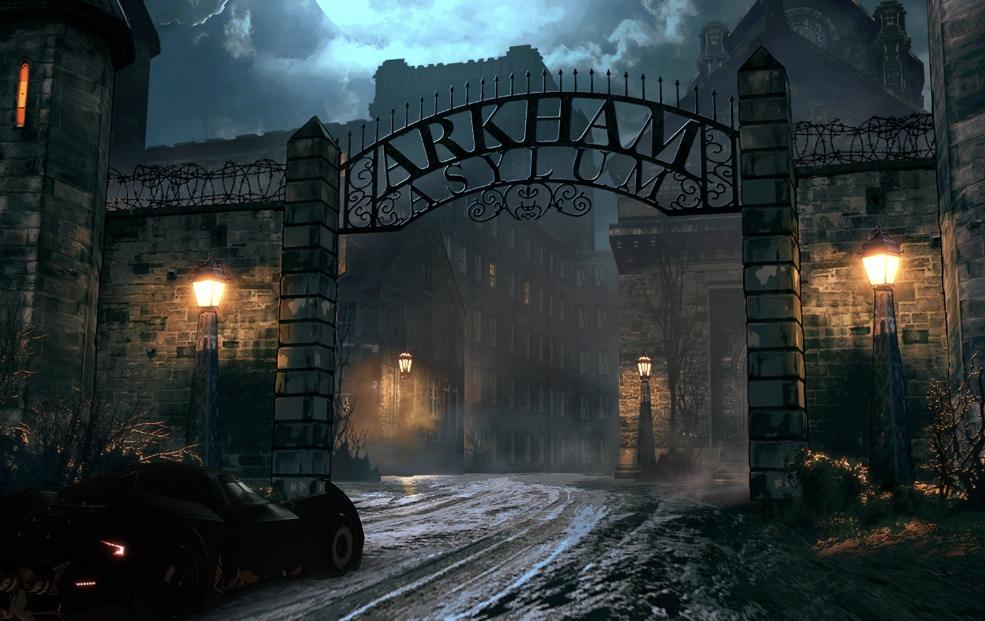
The Arkham Asylum storyline also stretches realism heavily. Harvey Dent institutionalizing Bruce Wayne so quickly just after an attack despite Bruce’s money, lawyers, influence, and public visibility feels forced for the sake of drama.
The second part Batman: The Enemy Within is arguably better, but it suffers from pacing problems. Personally I found the undercover missions involving Harley Quinn’s group to be longer than necessary. And the way the group trusted Bruce Wayne to hang out with thugs like them was also not believable. In addition, while the concept is interesting initially, several missions become repetitive because Bruce repeatedly has to perform tasks simply to gain approval from Harley Quinn, Bane, and Mister Freeze.
Mister Freeze himself also feels underused throughout the story. Considering how emotionally rich the character usually is, many fans expected a much larger role for him.
The romance system also feels restrictive at times. Even if you emotionally distance Bruce Wayne from Selina Kyle during the first season, Batman: The Enemy Within repeatedly pushes the relationship in your face again while offering you with no alternative romance options.
Pacing Problems and Underused Villains
Batman: The Enemy Within especially suffers from pacing issues during its undercover mission structure. While infiltrating Harley Quinn’s group is an interesting concept initially, several chapters begin to feel repetitive because Bruce repeatedly has to complete tasks simply to gain approval.
Mister Freeze also feels surprisingly underused despite his massive potential. Considering how emotionally rich the character usually is in Batman media, many players expected him to have a much larger role in the overall narrative.
The romance system also feels restrictive at times. Even if players reject Selina Kyle emotionally during the first season, the second season repeatedly pushes the relationship again while offering very few meaningful alternatives.
Despite its flaws, the game constantly keeps players emotionally invested through strong pacing, atmosphere, and unpredictable twists. Similar to The Wolf Among Us, the story creates the feeling that anything could happen next, making it extremely difficult to stop playing once you begin.
Should you consider playing Batman: The Telltale Series in 2026 ?
Absolutely. Despite its flaws, Batman: The Telltale Series in 2026 still remains one of the best narrative-focused superhero experiences ever made.
What makes the games special is not its gameplay depth or technical polish. In fact, the Telltale engine can feel outdated in 2026, the combat is mechanically simple, and the game might occasionally suffer from awkward animations and bugs.
However, none of that matters once the story pulls you in. The atmosphere, writing, pacing, and emotional tension become incredibly addictive very quickly. The game constantly creates the feeling that anything could happen next, which makes it extremely difficult to stop playing. This is why many Batman fans still love to revisit Batman: The Telltale Series in 2026.
That is ultimately why so many players, including me finish both games within just a few days. Even with few plot holes and few forced moments, the emotional momentum never really stops. Batman: The Telltale Series understands something many modern superhero games forget completely: strong characters and emotional investment matter far more than endless combat.
Rating:
8 out of 10 stars for Part 1
8.5 out of 10 stars for Part 2 The Enemy Within
Check out five reasons to play The Wolf Among Us in 2026.