Dispatch is a narrative superhero game focused on characters, dialogue, and choices. This Dispatch review by Cinematic Gamers breaks down its story, visuals, and gameplay.
Dispatch (2025) is a narrative focused superhero game developed by AdHoc Studio and released in October 2025 for PC and PlayStation 5. Instead of putting you in a cape and throwing punches, the game places you in the shoes of a former superhero who is now sitting behind a desk, managing heroes, relationships, and consequences. That alone makes it stand out in a genre obsessed with action and spectacle. Dispatch chooses writing, characters, and tone over mechanics, which makes it unique but also limits how far it can go. It is the kind of game that quietly arrives, leaves a good impression, and then fades from mainstream conversation despite doing many things right.
Characters That Instantly Click
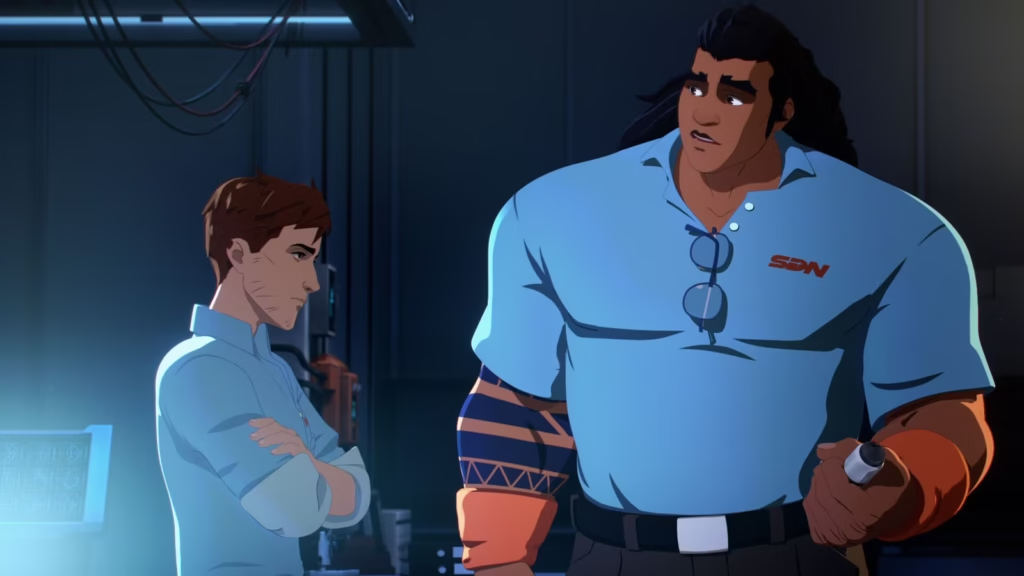
The strongest part of Dispatch is its characters. For a first outing, the cast is surprisingly well written and instantly readable. You play as Robert, who was Mecha-Man (inspired by Iron Man?) whose suit gets destroyed and now he is sitting behind a desk dispatching other heroes for a company named SDN. These are not cardboard cutouts or exaggerated superhero clichés. Even the non-playable characters such as Invisigal, Chase, Phenomaman, feel like flawed, human personalities placed inside a comic book world. Some characters are genuinely likable, some are irritating in the right way, and some are characters you enjoy disliking. That balance is important because this is what keeps conversations in the game interesting and engaging even when the plot itself might be kind of predictable.
You either connect with these characters emotionally or develop a strong reaction to them, and both outcomes work in the game’s favor. Dialogue feels natural, humor lands more often than it misses, and the characters and performances alone sell the writing. This is where Dispatch earns its place among well-written narrative games and also one of the most underrated indie games of 2025. Even when nothing dramatic is happening, you still want to listen.
Story and Choices: Character First, Plot Second
Dispatch is clearly designed as a character focused narrative rather than a branching epic where you get to make all the decisions. The main story is fairly predictable, especially if you are familiar with superhero fiction. The game gives you choices, but those choices rarely change the overall direction of the story. You are not shaping the world in drastic ways, and you cannot fully redefine yourself as a hero or villain.
That limitation is noticeable, but it does not completely ruin the experience. The strength lies in how scenes are written, not in how wildly they branch. The romance paths are a good example. Both romance paths with Blonde Blazer and Invisigal are well written, likable, and emotionally believable, but they do not dramatically alter the overall impact of the story. They do not change the personality of the character, nor the ending to a significant degree. What the choices do is add flavor, not transform the entire experience itself.
This makes Dispatch a solid example among narrative superhero games that prioritize consistency over freedom. If you expect radical choice-based games like Detroit Become Human where every decision reshapes your character and the ending, you may feel disappointed. If you value character moments, it still works.
The Dispatch Mechanic: A Missed Opportunity
Ironically, the weakest part of Dispatch is the mechanic it is named after. The dispatch system, where you assign heroes to emergencies and manage citywide incidents, might sound good to some players on paper, especially those who love strategey games. However, it feels underdeveloped in practice. It quickly becomes repetitive and lacks the tension or complexity needed to stay engaging over time.
This part of the game feels like a placeholder for something deeper that never fully materializes. Decisions rarely feel exciting, and there is little sense of risk or creativity in how problems are solved. Compared to the strong writing elsewhere, the dispatch gameplay feels flat. I don’t know about others, but I found it mostly boring. It needed more layers, more unpredictability, or stronger consequences to match the narrative weight.
Visuals and Presentation: Built to Last
Visually, Dispatch benefits greatly from its animated art style. Because it avoids realism, the game feels timeless. This is the kind of presentation that will still look good 10 or even 20 years from now. Character animations, expressions, and framing support the dialogue instead of distracting from it.
The visual design complements the writing well and reinforces the feeling that this is closer to an interactive animated series than a traditional game. For narrative games, that kind of longevity matters, and Dispatch gets it right here.
 Pacing, Replay Value, and Overall Feel
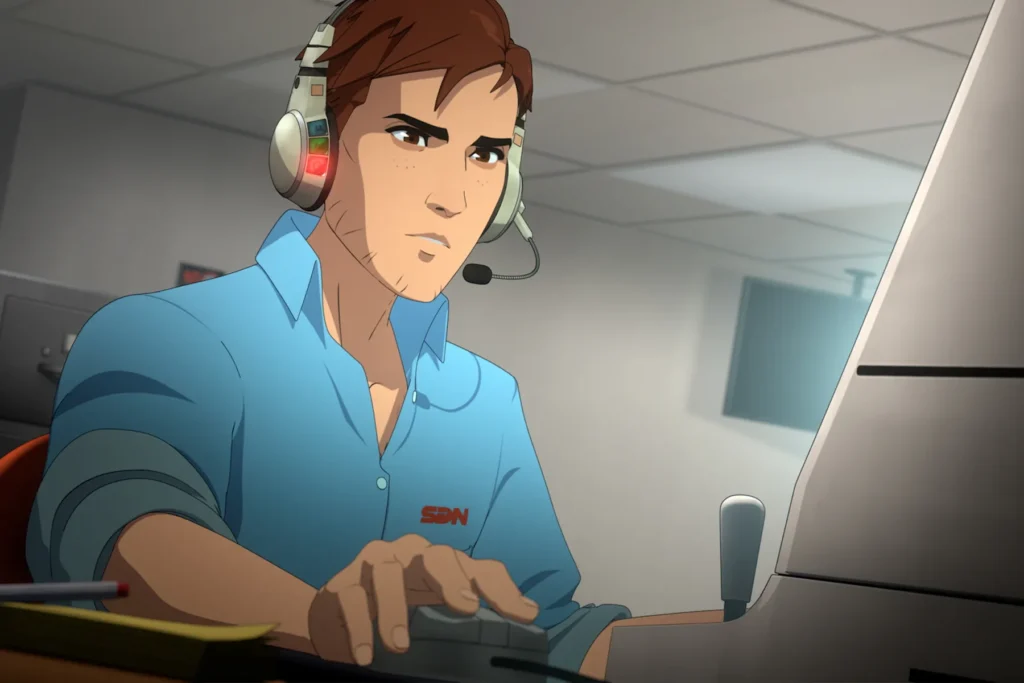
Throughout the story, Dispatch generally maintains a good pace and does not overstay its welcome. The story moves forward at a steady rhythm, and boredom rarely sets in during your first playthrough. At least I didn’t find myself getting bored by the story. Humor helps keep things light, and character interactions carry interesting moments.
However, replay value is limited. Once you see the main story, there is little incentive to return unless you are curious about alternate dialogue routes or romance options. Because the overall plot remains largely the same, repeat playthroughs do not feel significantly different. This is where the predictable nature of the story becomes a disappointment rather than a neutral trait.
Final Verdict
Dispatch is a definitely a remarkable narrative superhero game with clear strengths and equally clear limitations. Its characters are engaging, its writing is confident, and its animated presentation gives it lasting appeal. At the same time, the linear story, weak dispatch mechanics, and low replay value hold this game back from being truly memorable.
For fans of narrative games who value characters over systems, Dispatch is worth playing. For players expecting deep choice-based games or meaningful gameplay systems, it may feel shallow. However, the game is still a solid experience since it doesn’t take up much of your time.
Rating: 7 out of 10 stars

Pingback: 7 Underrated Indie Games of 2025 That Deserve More Attention - Cinematic Gamers
Pingback: 7 Best Superhero Games to Play in 2026; Ranked - Cinematic Gamers