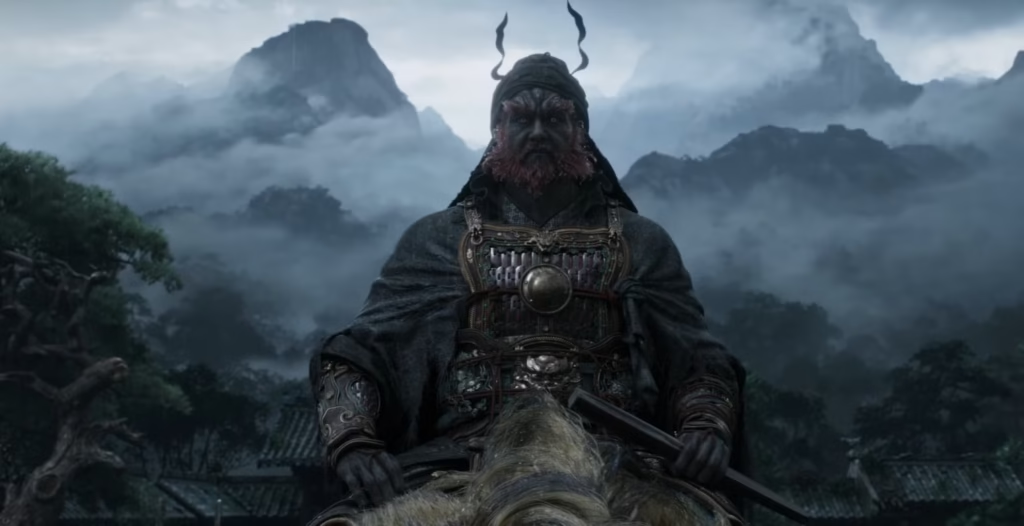
Why was Ghost of Yotei not nominated for Game of the Year when fans praised its visuals, story, and polish? It did not just lose. It did not win in any category at all. Let us analyze why.
The question “Why was Ghost of Yotei not nominated for Game of the Year” has dominated award season conversations among PlayStation fans. Yes, on paper, the confusion feels justified. The game looked premium, reviewed well, and stayed in public discussion far longer than many nominees. Yet when the biggest award was announced, its absence felt deliberate rather than accidental, especially if you are a fan of this franchise. To understand Why was Ghost of Yotei not nominated for Game of the Year, it requires us to separate quality from impact, as well as polish from reinvention.
At its core, the debate is not about whether the game is good. Most of us who played the game agree that Ghost of Yotei is a strong experience. The real issue is how Game of the Year juries tend to think. These awards usually reward and recognize titles that impact game design, redefine genres, or spark industry wide discussion. In other words, they expect the game to blow our minds in some way. Refinement alone, no matter how well executed, rarely secures the prizes.
Great at what it does, but is Ghost of Yotei daring enough
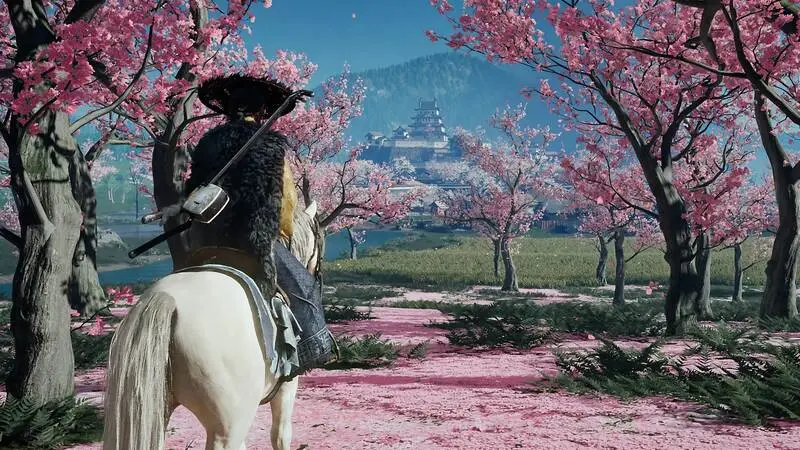
One of the most common talking points around Why was Ghost of Yotei not nominated for Game of the Year is its similarity to Ghost of Tsushima. The comparison is unavoidable. Although the story is set 300 years after the events of Ghost of Tsushima, the visual tone, cinematic presentation, open world structure, and combat philosophy all feel like an evolution of an already successful formula. For fans of Tsushima, this was a positive. For award juries, it obviously felt like a limitation.
Critics frequently described Ghost of Yotei as safe. Not lazy. Not derivative. Just cautious.
The game does almost everything right. It looks gorgeous. It plays smoothly. It knows exactly what it wants to be. But instead of poking the player and saying “Hey, you have not seen this before,” it politely nods and says, “You liked this last time, right?” It refines ideas that already worked rather than daring to shake the table.
In a slower year, that confidence would have been enough. In a year packed with loud, risky, opinionated games, that familiarity quietly became a problem.
This is the moment where the question “Why was Ghost of Yotei not nominated for Game of the Year” stops being about hurt feelings and starts being about cold reality. Game of the Year juries love risk. They forgive rough edges. They forgive imbalance. What they rarely forgive is playing it safe. Ghost of Yotei felt like an excellent continuation of a conversation we were already having, not the game that started a new one.
Expedition 33 and why its reinvention mattered
Now put Ghost of Yotei next to Expedition 33, and the contrast almost feels unfair.
Expedition 33 did not walk in quietly. It kicked the door open. It brought a completely unique story, characters that actually stayed with people long after the credits rolled, and a tone that trusted players to keep up instead of holding their hand every step of the way. It felt confident, strange, and unapologetically itself.
And then there is the combat. Expedition 33 took turn based gameplay, something people love to complain about online, and somehow made it exciting again. Not tolerable. Not nostalgic. Actually fun. That alone turned heads. That kind of reinvention is what most award juries appreciate.
When discussing Why was Ghost of Yotei not nominated for Game of the Year, this difference is impossible to ignore. Expedition 33 felt like a statement. It changed how people talked about its genre. Ghost of Yotei felt like mastery of a language that already existed. Both are impressive achievements. Only one screams “Game of the Year.”
Timing, competition, and Assassin’s Creed Shadows
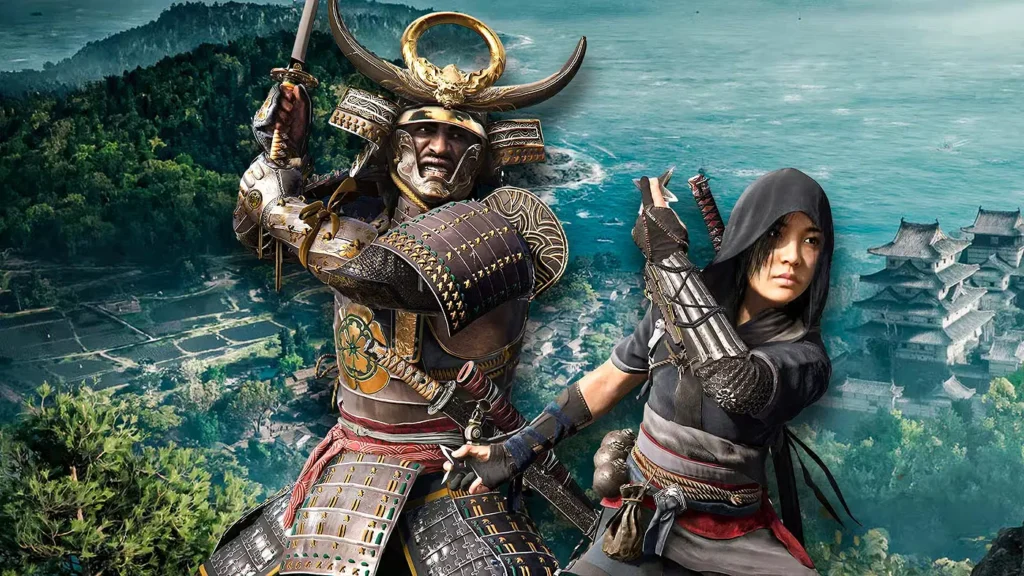
Timing did Ghost of Yotei no favors either. Another uncomfortable truth behind Why was Ghost of Yotei not nominated for Game of the Year is just how crowded the year was. This was not a quiet release window. It was a battlefield. When too many strong games fight for too few slots, even great ones get pushed aside.
Perception made things worse. Once critics start calling a game familiar, that label sticks like glue. Scores stop mattering. Nuance disappears. What survives is the headline version. In this case, Ghost of Yotei became “beautiful, cinematic, respectful of tradition,” which sounds nice, but also sounds like “not transformative.”
Then came the comparisons with Assassin’s Creed Shadows, and that did not help either. Both games tell a revenge driven story of a young woman and both are set in feudal Japan. Both follow a woman hunting down an organized and powerful criminal group tied to their personal tragedy. That overlap made Ghost of Yotei feel less like a standout and more like part of a wave.
And that is the cruel irony. The game did nothing wrong. It did win many hearts. It just landed in the hardest possible position. Too good to ignore. Too familiar to crown.
Ghost of Yotei wins Best PlayStation BlogAward?
When Ghost of Yotei wins Best PlayStation Blog Award, the debate did not end. It escalated. The first reaction was predictable. “Sony awarding itself. Corporate back patting. Questionable optics.” And honestly, that criticism is not entirely wrong. Platform specific awards will always carry that shadow.
But brushing it off completely feels dishonest.
Ghost of Yotei does deserve recognition. The craftsmanship is real. The world is stunning. The experience is polished and confident from start to finish. The fact that Ghost of Yotei wins Best PlayStation Game Award reflects genuine appreciation, not just branding.
Two things can be true at once. The optics can be messy, and the praise can still be earned.
In the end, the answer to the question “Why was Ghost of Yotei not nominated for Game of the Year” is not about failure. It is about wrong timing and how you define success. The game succeeded on its own terms. It just released in a year where bold reinvention mattered more than flawless refinement. And that, frustrating as it is, explains everything.
If you are into RPGs, you can check our list of the ten best RPGs of 2025!