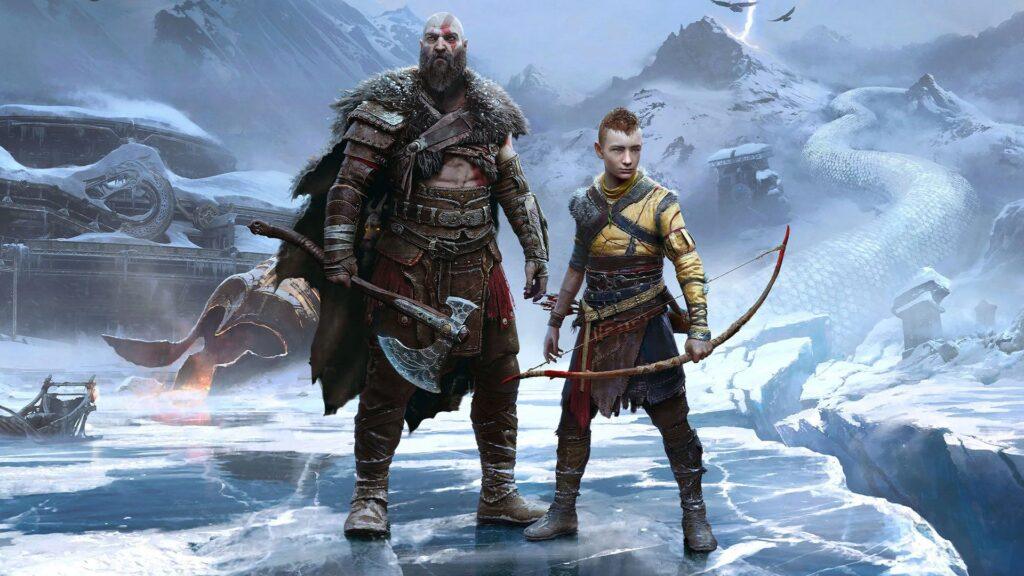
A fresh God of War Ragnarok review 3 years later, exploring its strengths, cinematic visuals, emotional depth and the few flaws that still stand out.
Released in 2022 by Santa Monica Studio, Ragnarok arrived with impossible expectations. The previous God of War game a soft reboot, was a near perfect reinvention of the franchise, blending powerful storytelling, tight pacing and an unforgettable father and son journey. So, the natural question became simple. How do you follow a masterpiece without copying it or diluting its identity. Santa Monica answered by going bigger, heavier and more ambitious. Ragnarok is not just another sequel. It is the culmination of years of buildup, a story of gods and families, and a rare example of a blockbuster that mixes heart with spectacle. It also stands as proof that the God of War game formula has more emotional fuel than anyone expected.
But let us be honest. Bigger does not automatically mean better. Ragnarok succeeds overwhelmingly in many areas but stumbles in few. This review will explore both the strengths and the minor flaws. No blind praise. No pointless nitpicking. Just an honest look at why Ragnarok remains one of the most memorable gaming experiences in recent years.
Before reading our review of God of War Ragnarok, you can read our review of God of War 2018 here.
A world painted with breathtaking visuals
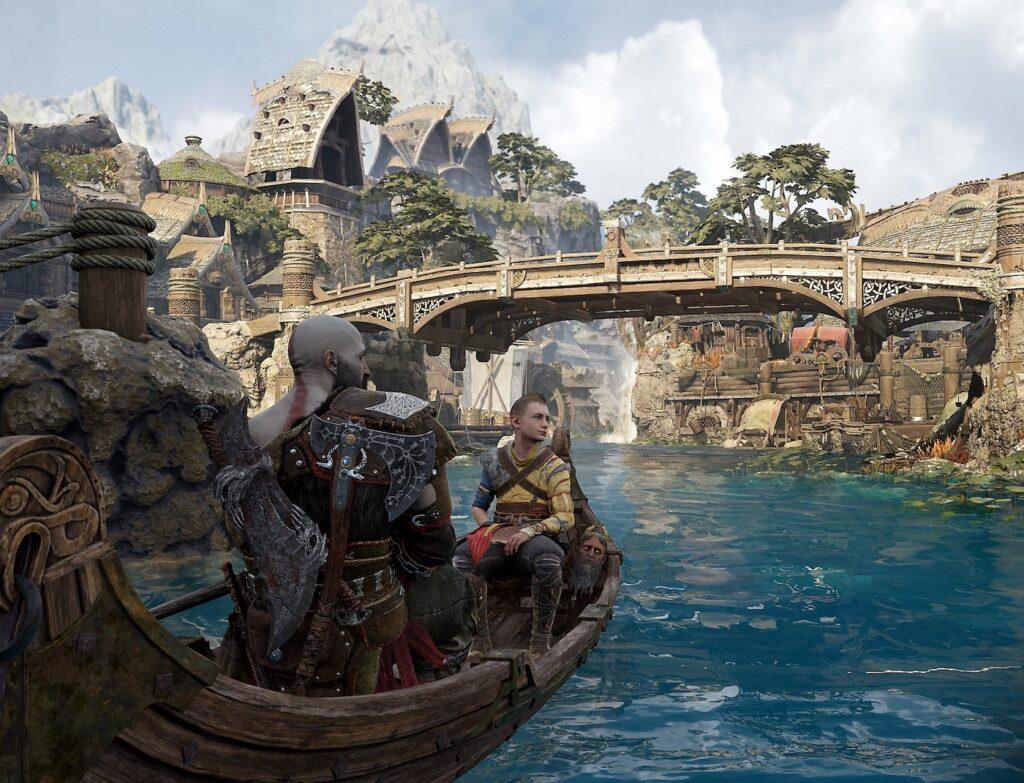
If there is one thing God of War Ragnarok achieves effortlessly, it is visual brilliance. You will feel like as if you have actually stepped into Norse mythology. This is a game that understands the power of atmosphere. The frost in the air, the glow of mythic realms, the cinematic brutality of combat and the sweeping landscapes all come together to create a world that demands admiration. The environments feel alive without overwhelming you with unnecessary clutter. Every location looks handcrafted and extremely good-looking, and nowhere does the game ever feel visually lazy.
It is not simply graphics for the sake of graphics. The visuals elevate the emotional moments, strengthen the action scenes and make you believe you are journeying through a world shaped by ancient gods. In terms of pure presentation, Ragnarok demonstrates why the franchise remains one of the best looking in the industry. Few titles released today can match this level of artistic ambition.
A story structure that evolves because it had to
One of the boldest decisions in Ragnarok is the way the story is structured. The previous God of War game famously unfolded in a single continuous shot, following Kratos in real time from start to finish. That approach was perfect for that story because of its smaller scale and tight pacing. However, Ragnarok is much larger. It spans multiple days, multiple realms and a deeper emotional conflict. Plus, for around half the game, it lets us experience the story through the eyes of Atreus. Trying to force the one-shot real-time style into a game of this size would have hurt the experience.
Instead, the developers chose a pacing structure that allows the story to breathe. It gives room for character growth, emotional pauses and escalating tension. This shift does not weaken the identity of the franchise. It strengthens it. By telling the story over several days, Ragnarok feels more organic and layered. The emotional weight lands harder because you can feel the passage of time. The characters evolve not because the camera never cuts, but because the world around them changes as their journey unfolds.
Kratos becomes more than a killer and finally grows into the man he always needed to be
One of the most powerful elements of Ragnarok is the evolution of Kratos himself. This is a character who began his journey as a furious, unstoppable mass murderer driven by rage, revenge and emptiness. Yet in this chapter, we see something the franchise never fully showed before. Growth. Reflection. Compassion. Kratos no longer kills because he is angry. He chooses restraint even when violence would be easier. He listens instead of commanding. He tries to guide Atreus instead of controlling him. And most importantly, he begins helping others not because he has to, but because he wants to make the world better than the one he destroyed in the past. This transformation is quiet yet profound. Ragnarok proves that strength is not just in tearing gods apart but in choosing who you become after the bloodshed ends. Kratos finally becomes the man his son believed he could be, and that emotional evolution is one of the greatest triumphs of the God of War game series.
God of War Ragnarok is a journey that is grand but sometimes too long
Now we arrive at one of Ragnarok’s most noticeable flaws. Its length. While the scale of the game is impressive, and the emotional ambition is strong, the experience is undeniably longer than it needs to be. Several sections feel padded or stretched out, as if the developers were determined to make the sequel bigger in every possible way.
Compared to the previous God of War game, which was tight, sharp and focused, Ragnarok sometimes drifts. The pacing slows. The tension dips. Moments that should feel impactful instead become diluted because they arrive after hours of missions that could have been tightened. A reduction of five or six hours would have created a more streamlined experience without sacrificing emotional intensity or plot depth.
This flaw is not fatal, but it is noticeable. When a game aims for epic scale, balance becomes essential. Ragnarok feels incredible most of the time, but at times the pacing might get a bit slow, although that doesn’t mean you shall be bored in any way!
Combat and boss encounters in Ragnarok feel legendary
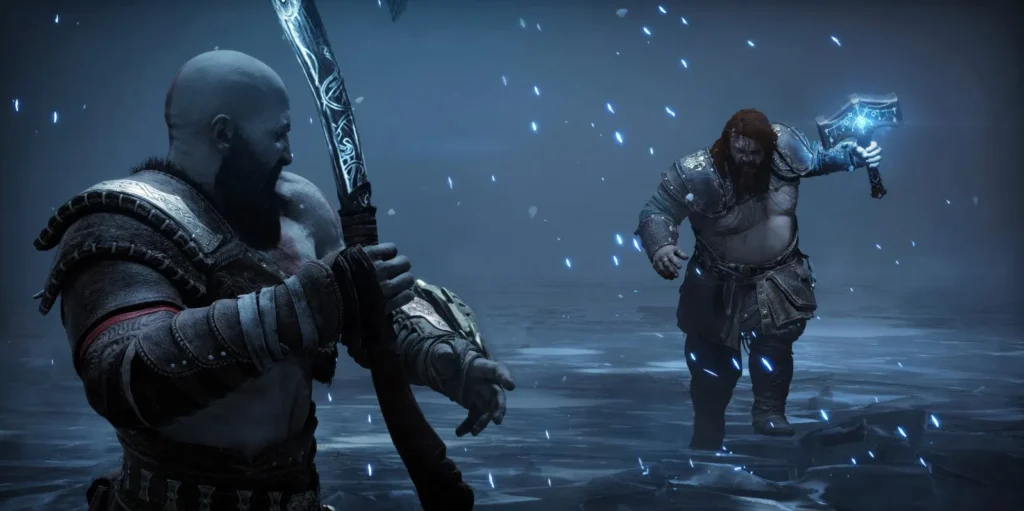
If the visual design is the soul of Ragnarok, the combat is its beating heart. This is where the game reaches a level few others can match. The fights feel heavy, visceral and satisfying, with each weapon carrying weight and personality. Kratos remains one of gaming’s most powerful protagonists, and we can feel why, as every swing, block and dodge feels deliberate and powerful.
But it is the boss fights where Ragnarok truly shines. The boss fights in God of War Ragnarok are not just battles. They are events. Energy surges. The camera pulls in. The music rises. To put in two words: Absolute Cinema! These encounters feel like payoffs to everything you have learned as a player. And among all of them, one stands tall above the rest. Kratos versus Thor. This fight is not just a highlight of Ragnarok. It is easily one of the most iconic boss battles in the history of video games. The buildup, the weight, the personality clash and the emotional payoff combine together create a moment that defines the game’s identity. Yes, the fight is challenging, but I would definitely put this in the list of my favorite boss fights ever among all video games.
The fight with Thor in God of War Ragnarok carries even more power because by that stage, the story has deepened, tensions have risen and the stakes feel personal. This is where God of War proves why it stands alongside the greatest action franchises ever created. The combat does not just support the story. It elevates it.
Did Atreus need more depth and challenge?
Another criticism that deserves real discussion is the gameplay as Atreus. On paper, expanding his role is a smart choice. His character is growing. His importance in the story is undeniable. Giving players the chance to step into his shoes make perfect sense. The problem is not the idea. The problem is the execution.
Playing as Atreus however lacks the intensity, challenge and depth that define the Kratos sections. His combat feels simpler, lighter and almost impossible to fail. Plus, I do not even remember dying while playing as him, and that says everything. Difficulty seems toned down intentionally, but this hurts immersion. Atreus deserves gameplay that matches the emotional weight of his role. Instead, his sections feel like a gentle walk compared to the raw power of Kratos. It is not bad, but it does feel undercooked.
Side content that enriches the experience without feeling forced
One area where God of War Ragnarok deserves praise is its side content. The optional quests feel thoughtful rather than filler. The free DLC Valhalla was also loved by players, and it shows how Kratos rejects the monster he was once. They expand the world, deepen the emotional stakes and offer some of the most memorable character moments in the entire game. This is an example of content done right. It complements the main path without overwhelming it. Even after completing the central story, there is genuine value in exploring more. The balance between main missions and optional tasks feels more generous and meaningful than in many other modern releases.
Final verdict on a monumental sequel
God of War Ragnarok is a powerful continuation of the God of War legacy. It blends cinematic scale with emotional depth, stunning visuals and some of the best boss fights ever seen in modern action games. It does not match the tight precision of the previous God of War game, and thankfully, it never tries to. It grows the world outward rather than inward, expanding the scope of the franchise while preserving its heart.
Despite small flaws like the padded length and underwhelming Atreus gameplay, Ragnarok remains a remarkable achievement. It is bold, beautiful and emotionally charged in ways that few games attempt. In an era of repetitive design and shallow sequels, Ragnarok stands out as a reminder of how to push a franchise to new heights.

Pingback: God of War Odin vs AC Valhalla Odin - How Two Games Reimagined the Allfather - Cinematic Gamers
Pingback: God of War and Masculinity: The Power in Strength Beyond Rage - Cinematic Gamers
Pingback: 5 Demanding AAA Games That the 3070 Graphics Card Can Run Smoothly - Cinematic Gamers